
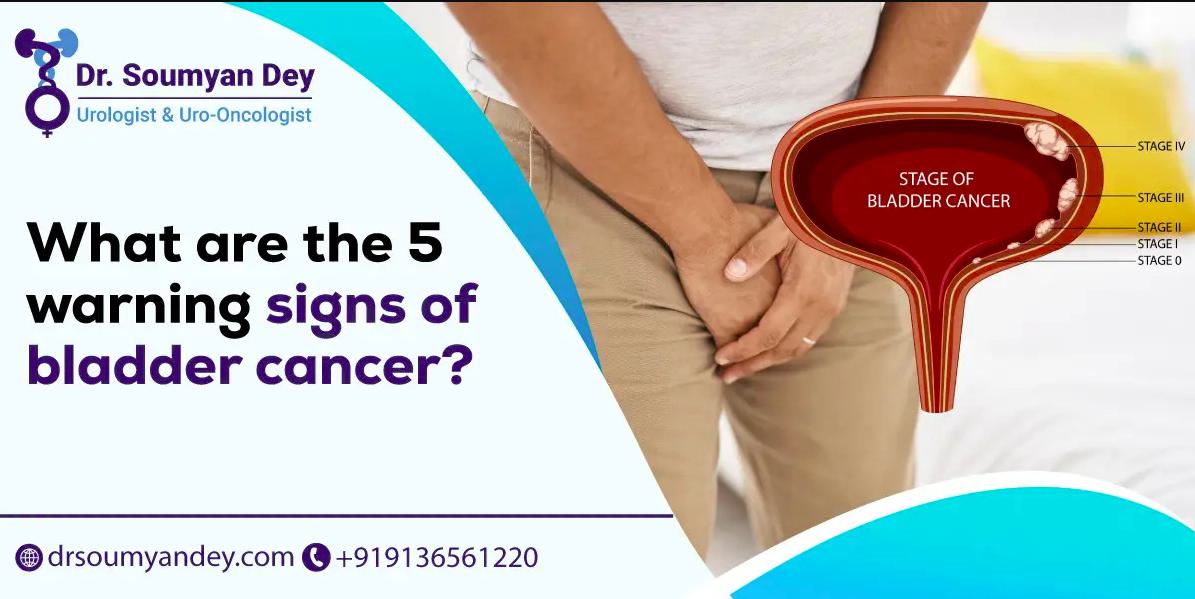
Early Signs of Bladder Cancer: Causes and Risk Factors

Bladder cancer is among the most common cancers affecting the urinary system, yet many people remain unaware of its early signs. Detecting the disease in its initial stages can significantly improve treatment outcomes and survival rates. Unfortunately, the symptoms are often subtle, leading to late diagnoses and more complex treatments.

Understanding the early signs of bladder cancer can help individuals seek medical advice promptly, reducing the risk of complications. This guide provides a comprehensive overview of bladder cancer, from its causes and symptoms to treatment options and support for patients, so you can make informed decisions about your health.

Definition and Overview

Bladder cancer is a type of cancer that begins in the cells of the bladder, the organ responsible for storing urine before it exits the body. Most bladder cancers start in the urothelial cells lining the inside of the bladder. It can develop slowly or aggressively, depending on the type and stage of the disease.

Types of Bladder Cancer

Bladder cancer can be classified into several types, including:

  • Urothelial carcinoma (transitional cell carcinoma): The most common form, accounting for about 90% of cases.
  • Squamous cell carcinoma: Usually linked to chronic irritation or infection.
  • Adenocarcinoma: A rare type that develops from glandular cells in the bladder.
    Each type requires a tailored approach to diagnosis and treatment.

Causes and Risk Factors

While the exact cause of bladder cancer is not always clear, several factors increase the risk:

  • Smoking: The leading cause, as tobacco chemicals accumulate in the urine and damage bladder cells.
  • Exposure to chemicals: Industrial workers handling dyes, rubber, or paint are at higher risk.
  • Chronic bladder irritation: Frequent infections or prolonged use of catheters may contribute.
  • Age and gender: More common in people over 55 and in men compared to women.
  • Family history and genetics: A family history of bladder cancer may raise susceptibility.

Symptoms and Early Warning Signs

Recognizing the early signs of bladder cancer is essential for timely diagnosis. Common symptoms include:

  • Blood in urine (hematuria): The most noticeable and common early symptom.
  • Frequent urination: A sudden increase in urinary urgency without clear cause.
  • Painful urination (dysuria): Burning or discomfort while urinating.
  • Lower back pain or pelvic pain: May occur in more advanced cases.
    These signs may mimic less serious conditions, such as urinary tract infections, so medical evaluation is crucial.

Diagnosis

Doctors use a combination of tests to confirm bladder cancer, including:

  • Urinalysis and urine cytology: To check for abnormal cells.
  • Cystoscopy: A camera inserted into the bladder for direct examination.
  • Imaging tests (CT scan, MRI, ultrasound): To detect tumors and their spread.
  • Biopsy: The definitive method for confirming bladder cancer.

Treatment Options

Treatment depends on the type, stage, and overall health of the patient. Options include:

  • Surgery: Ranges from removing tumors (TURBT) to partial or complete bladder removal.
  • Chemotherapy: Administered before or after surgery to kill cancer cells.
  • Radiation therapy: Used for localized treatment or when surgery is not possible.
  • Immunotherapy: Boosts the body’s immune system to fight cancer cells.
  • Targeted therapy: Focuses on specific cancer cell mechanisms to stop growth.

Prevention and Lifestyle Recommendations

While not all cases can be prevented, adopting healthy habits reduces the risk of bladder cancer:

  • Quit smoking and avoid exposure to secondhand smoke.
  • Limit exposure to harmful chemicals at work.
  • Drink plenty of water to dilute harmful substances in urine.
  • Eat a balanced diet rich in fruits and vegetables.
  • Attend regular health check-ups if you are at higher risk.

Prognosis and Survival Rates

Prognosis depends on the cancer’s stage at diagnosis. Early-stage bladder cancer has a high survival rate, with five-year survival exceeding 70% in many cases. Advanced stages, however, are more difficult to treat and may require aggressive therapies. Regular monitoring and follow-up care are crucial for long-term outcomes.

Latest Research and Innovations

Recent advancements in bladder cancer research bring hope to patients. Innovations include:

  • Genetic testing: Helps identify patients at higher risk.
  • Personalized medicine: Tailors treatment based on individual genetic profiles.
  • New immunotherapies: Show promising results in treating advanced cases.
    Ongoing clinical trials continue to improve early detection and treatment methods.

Coping and Support for Patients

A bladder cancer diagnosis can be overwhelming, but support systems are available:

  • Support groups: Provide emotional strength and shared experiences.
  • Counseling and therapy: Help patients and families manage stress.
  • Nutritional guidance and rehabilitation: Aid recovery and improve quality of life.
    Seeking both medical and emotional support is key to coping with bladder cancer.

Conclusion

Recognizing the early signs of bladder cancer can make a significant difference in treatment success and survival rates. With timely diagnosis, effective treatment, and lifestyle adjustments, many patients live long and fulfilling lives after a diagnosis. Staying informed and proactive about your health is the best step you can take.

FAQ

1. What is usually the first sign of bladder cancer?
Blood in the urine, often painless, is the most common early sign.

2. Can bladder cancer be cured if caught early?
Yes, early-stage bladder cancer is highly treatable with a good prognosis.

3. Who is most at risk for bladder cancer?
Smokers, older adults, men, and those exposed to industrial chemicals are at higher risk.

4. How often should I get checked for bladder cancer?
If you have risk factors or symptoms, consult a doctor immediately. Regular check-ups may be recommended based on your risk profile.

5. Does diet affect bladder cancer risk?
A healthy diet rich in vegetables and hydration may reduce the risk, though it cannot completely prevent bladder cancer.
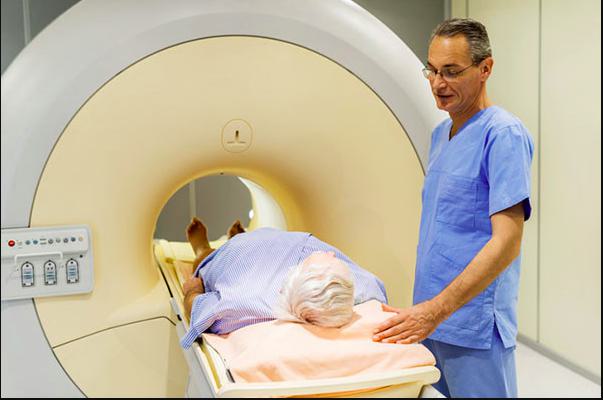
Radiation Treatment for Prostate Cancer Success Rate: Causes and Risk Factors

Prostate cancer is one of the most common types of cancer affecting men worldwide. As awareness and medical advancements grow, treatment options have expanded, providing patients with multiple ways to fight the disease. Among these, radiation therapy stands out as a highly effective and widely recommended approach. Understanding the effectiveness of radiation treatment is essential for patients and their families in making informed decisions.

When discussing prostate cancer treatment, one of the most common questions is about the radiation treatment for prostate cancer success rate. This metric helps patients evaluate how effective radiation therapy is in managing or curing the disease, especially when compared to other treatment methods like surgery or hormone therapy.

Definition and Overview

Radiation therapy for prostate cancer is a medical treatment that uses high-energy rays or particles to target and destroy cancer cells in the prostate gland. It is often recommended for patients with localized or advanced prostate cancer, either as the main treatment or in combination with other therapies. Radiation aims to eliminate cancer cells while preserving as much healthy tissue as possible.

The radiation treatment for prostate cancer success rate depends on several factors, including the stage of cancer, the patient’s overall health, and the specific type of radiation therapy used.

Types

There are two main types of radiation therapy for prostate cancer:

  1. External Beam Radiation Therapy (EBRT) – A machine directs radiation beams precisely at the prostate gland from outside the body.
  2. Brachytherapy (Internal Radiation) – Small radioactive seeds are implanted directly into the prostate to deliver radiation over time.

Some patients may receive a combination of both types for better results, which can improve the overall success rate.

Causes and Risk Factors

Prostate cancer develops when cells in the prostate gland grow uncontrollably. While the exact cause is not always clear, several risk factors can increase the chances of developing the disease:

  • Age: Most common in men over 50.
  • Genetics: Family history of prostate cancer increases risk.
  • Race and Ethnicity: Higher incidence in African American men.
  • Diet and Lifestyle: High-fat diets and sedentary lifestyles may contribute.

Symptoms and Early Warning Signs

In its early stages, prostate cancer may not cause noticeable symptoms. As the disease progresses, common warning signs include:

  • Frequent urination, especially at night
  • Difficulty starting or stopping urination
  • Weak urine flow
  • Blood in urine or semen
  • Pelvic discomfort

Recognizing symptoms early increases the chance of successful treatment.

Diagnosis

Doctors use several diagnostic tools to detect and stage prostate cancer:

  • Prostate-Specific Antigen (PSA) Test
  • Digital Rectal Exam (DRE)
  • Biopsy
  • MRI and CT scans

Accurate diagnosis is essential to determine the best treatment plan and predict the radiation treatment for prostate cancer success rate.

Treatment Options

Prostate cancer treatments vary depending on the stage and aggressiveness of the disease. Options include:

  • Radiation Therapy (EBRT or Brachytherapy)
  • Surgery (Prostatectomy)
  • Hormone Therapy
  • Chemotherapy
  • Active Surveillance for low-risk patients

Radiation therapy is often chosen for patients who prefer less invasive treatment compared to surgery, and its success rate has improved with modern techniques.

Prevention and Lifestyle Recommendations

While not all cases can be prevented, healthy lifestyle choices may reduce prostate cancer risk:

  • Eat a balanced diet rich in fruits, vegetables, and whole grains
  • Limit red meat and processed foods
  • Maintain a healthy weight
  • Exercise regularly
  • Attend regular screenings if at higher risk

Prognosis and Survival Rates

The radiation treatment for prostate cancer success rate is generally high, especially for localized cases. Studies show that external beam radiation therapy and brachytherapy can provide 10-year survival rates exceeding 90% in many patients with localized prostate cancer. For more advanced cases, combining radiation with hormone therapy significantly improves survival outcomes.

Latest Research and Innovations

Advancements in medical technology have improved both effectiveness and safety of radiation therapy. Innovations include:

  • Image-Guided Radiation Therapy (IGRT) for precise targeting
  • Intensity-Modulated Radiation Therapy (IMRT) to minimize damage to healthy tissues
  • Proton Beam Therapy, offering higher accuracy with fewer side effects
  • Ongoing clinical trials exploring personalized radiation doses and combined therapies

These developments contribute to higher success rates and improved quality of life for patients.

Coping and Support for Patients

Undergoing treatment for prostate cancer can be emotionally and physically challenging. Patients are encouraged to:

  • Seek support from family, friends, and support groups
  • Consult with healthcare providers about side effect management
  • Consider counseling for mental health support
  • Explore rehabilitation programs to maintain strength and energy

Emotional resilience and strong support systems play a vital role in treatment success and overall well-being.

Conclusion

Radiation therapy remains a cornerstone in prostate cancer treatment, offering high survival rates and improved quality of life for many patients. The radiation treatment for prostate cancer success rate depends on various factors, but modern techniques continue to enhance outcomes and reduce side effects. Early detection, healthy lifestyle choices, and personalized treatment plans are key to achieving the best results.

FAQ

1. What is the success rate of radiation treatment for prostate cancer?
For localized prostate cancer, success rates often exceed 90% over 10 years.

2. Is radiation therapy better than surgery for prostate cancer?
Both are effective, but the choice depends on cancer stage, patient health, and personal preference.

3. How long does radiation treatment last?
External beam therapy usually takes 5–8 weeks, while brachytherapy delivers radiation over several months.

4. What are the side effects of radiation therapy?
Common side effects include fatigue, urinary issues, and bowel discomfort, but these often improve over time.

5. Can prostate cancer return after radiation treatment?
Yes, recurrence is possible, but monitoring with PSA tests helps detect and manage it early.