
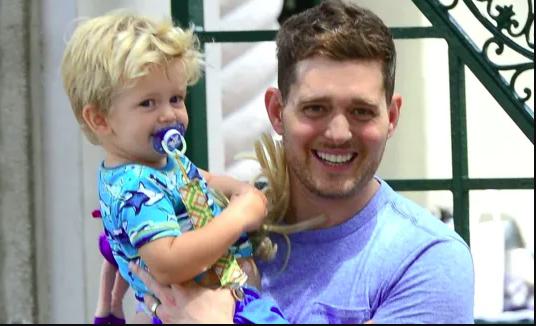
What Type of Cancer Does Michael Bublé’s Son Have? Causes and Risk Factors

When Canadian singer Michael Bublé publicly shared in 2016 that his young son Noah had been diagnosed with cancer, the world was shocked. Fans around the globe expressed their concern and offered prayers for the family during one of the most difficult times of their lives. This moment not only highlighted the personal struggles of celebrities but also raised awareness about childhood cancer.

The news left many people asking: what type of cancer does Michael Bublé’s son have? It was later revealed that Noah was battling hepatoblastoma, a rare type of liver cancer that primarily affects children. In this article, we will provide a comprehensive look at hepatoblastoma, its symptoms, diagnosis, treatment options, prognosis, and how families can cope with such a challenging diagnosis.

Definition and Overview

Hepatoblastoma is a rare malignant tumor that originates in the liver. It is most commonly diagnosed in children under the age of five. While it accounts for only about 1% of all pediatric cancers, its impact on affected families is significant. Hepatoblastoma develops when immature liver cells begin to grow uncontrollably, forming a tumor that can spread if not treated early.

Types

Hepatoblastoma is generally classified based on the type of cells found in the tumor:

  • Epithelial type: The most common form, consisting of liver-like cells.
  • Mixed epithelial and mesenchymal type: A combination of liver cells and other tissues, sometimes including bone or muscle-like cells.

Causes and Risk Factors

The exact cause of hepatoblastoma is not fully understood, but certain risk factors may increase the likelihood of developing it:

  • Genetic conditions such as familial adenomatous polyposis (FAP) and Beckwith-Wiedemann syndrome.
  • Premature birth and low birth weight, which are linked to higher risks.
  • Family history of certain inherited syndromes.
    Although these risks exist, many children diagnosed with hepatoblastoma have no identifiable risk factors.

Symptoms and Early Warning Signs

Recognizing early signs is essential for timely diagnosis. Common symptoms of hepatoblastoma include:

  • Abdominal swelling or a noticeable lump in the stomach.
  • Loss of appetite and weight loss.
  • Nausea and vomiting.
  • Jaundice (yellowing of the skin and eyes).
  • Fatigue and irritability.

Because these symptoms are often mistaken for other childhood illnesses, it is crucial to seek medical evaluation when they persist.

Diagnosis

Doctors diagnose hepatoblastoma through a combination of tests, such as:

  • Physical examination to detect abdominal swelling.
  • Blood tests, particularly alpha-fetoprotein (AFP) levels, which are often elevated.
  • Imaging scans like ultrasound, MRI, or CT to visualize the tumor.
  • Biopsy, where a sample of the tumor is examined under a microscope.

Treatment Options

Treatment depends on the stage and size of the tumor, as well as the child’s overall health. Common options include:

  • Surgery: Removing part of the liver or, in some cases, a liver transplant.
  • Chemotherapy: Used before surgery to shrink the tumor or after surgery to eliminate remaining cancer cells.
  • Targeted therapy: Emerging treatments aimed at specific cancer cell mutations.

Prevention and Lifestyle Recommendations

Since hepatoblastoma is not typically preventable, early detection is the best defense. Parents of children with genetic risk factors should schedule regular check-ups and screenings. Maintaining a healthy lifestyle, ensuring proper nutrition, and monitoring any unusual symptoms can also support overall wellness in children.

Prognosis and Survival Rates

The prognosis for hepatoblastoma has improved significantly due to advances in treatment. When diagnosed early and treated aggressively, the survival rate can exceed 80%. However, prognosis depends on factors such as the tumor’s size, spread, and response to chemotherapy.

Latest Research and Innovations

Research in pediatric oncology continues to focus on improving survival rates while reducing long-term side effects. Current studies are investigating:

  • New chemotherapy combinations with fewer toxic effects.
  • Immunotherapy that helps the body’s immune system fight cancer.
  • Gene therapy aimed at correcting genetic mutations linked to hepatoblastoma.

Coping and Support for Patients

A childhood cancer diagnosis deeply affects the entire family. Emotional, psychological, and social support are essential. Families are encouraged to:

  • Seek counseling and support groups for parents and siblings.
  • Connect with nonprofit organizations that provide financial and emotional assistance.
  • Build a strong network of family, friends, and healthcare providers.

Michael Bublé and his wife, Luisana Lopilato, have spoken openly about the challenges they faced, as well as the importance of hope, prayer, and community support throughout Noah’s recovery journey.

Conclusion

So, what type of cancer does Michael Bublé’s son have? The answer is hepatoblastoma, a rare liver cancer in children. While the diagnosis was devastating, Noah’s recovery is a story of resilience, medical progress, and the power of support. This case has not only raised awareness of pediatric cancer but also highlighted the importance of early detection and ongoing research to improve outcomes for young patients worldwide.

FAQ

What type of cancer does Michael Bublé’s son have?
Michael Bublé’s son, Noah, was diagnosed with hepatoblastoma, a rare form of liver cancer in children.

Is hepatoblastoma common in children?
No, it is very rare, representing only about 1% of childhood cancers.

What is the survival rate of hepatoblastoma?
With early diagnosis and treatment, survival rates can reach 70–80% or higher.

Can hepatoblastoma be prevented?
There is no known prevention, but genetic screening and regular check-ups can help in early detection.

Is Michael Bublé’s son cancer-free now?
Yes, according to reports, Noah has successfully undergone treatment and is now in remission.
Dog Swollen Lymph Nodes Not Cancer: Causes and Risk Factors

When pet owners notice swollen lymph nodes in their dog, the first fear that often comes to mind is cancer. While cancer is one possible cause, it is important to know that swollen lymph nodes do not always mean something malignant. In fact, many cases are linked to infections, immune responses, or other non-cancerous conditions.

Recognizing the difference between cancer-related swelling and other underlying issues can ease unnecessary worry. By learning more about why dogs can develop swollen lymph nodes not cancer related, owners can provide timely care, pursue accurate diagnosis, and ensure their pet receives the right treatment.

Definition and Overview

Lymph nodes are small, bean-shaped glands that are part of a dog’s immune system. They filter harmful substances, trap infections, and help the body fight off illness. When they become swollen, it usually indicates that the immune system is actively responding to something. The term “dog swollen lymph nodes not cancer” refers to cases where this enlargement is caused by conditions other than lymphoma or malignant disease.

Types

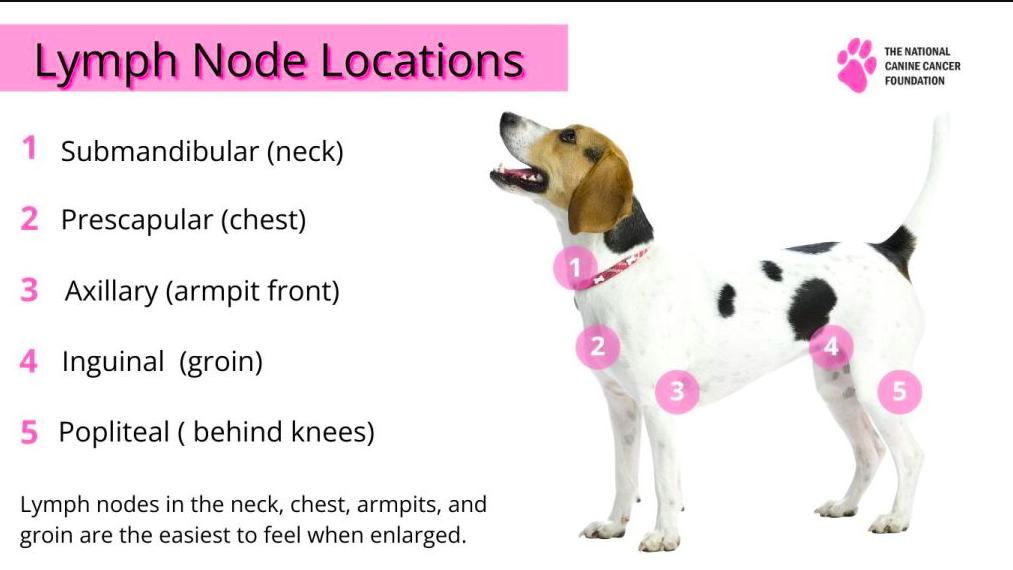
Swollen lymph nodes can occur in different areas of the dog’s body. The most common types include:

  • Submandibular nodes: Located under the jaw, often swollen due to oral or respiratory infections.
  • Prescapular nodes: Found in front of the shoulders, can enlarge due to skin or chest infections.
  • Inguinal nodes: Located in the groin area, sometimes enlarged from urinary or reproductive tract issues.
  • Popliteal nodes: Found behind the knees, often affected by limb or paw infections.

Causes and Risk Factors

There are multiple reasons why dogs may develop swollen lymph nodes not cancer related, such as:

  • Bacterial infections like dental disease, skin wounds, or ear infections.
  • Viral infections including canine distemper or parvovirus.
  • Fungal infections such as blastomycosis or histoplasmosis.
  • Immune system disorders like allergies or autoimmune conditions.
  • Reactions to vaccines or medications which temporarily trigger immune response.
  • Localized inflammation from injury or irritation.

Risk factors include poor oral hygiene, exposure to contagious diseases, untreated wounds, or living in environments with higher fungal exposure.

Symptoms and Early Warning Signs

Signs that your dog may have swollen lymph nodes not cancer related include:

  • Visible lumps under the skin in common lymph node areas
  • Warmth, tenderness, or redness near the swelling
  • Loss of appetite or mild lethargy
  • Fever or general signs of infection
  • Discomfort when touching affected areas

Unlike cancer, these symptoms often appear suddenly and may improve once the underlying infection is treated.

Diagnosis

Veterinarians diagnose swollen lymph nodes by:

  • Physical examination to feel the size and location of the nodes
  • Blood tests to check for infection or inflammation
  • Fine needle aspiration (FNA) to analyze lymph node cells
  • X-rays or ultrasound to detect deeper infections
  • Culture tests if bacterial or fungal infection is suspected

Treatment Options

Treatment depends on the cause of swollen lymph nodes not cancer related:

  • Antibiotics for bacterial infections
  • Antifungal medication for fungal conditions
  • Anti-inflammatory drugs for immune-mediated issues
  • Supportive care including fluids, rest, and nutrition
  • Dental cleaning or wound care if the source is localized

Most cases respond well once the root cause is addressed.

Prevention and Lifestyle Recommendations

To reduce the risk of swollen lymph nodes not cancer related:

  • Maintain good oral hygiene with regular teeth cleaning
  • Keep wounds clean and treat them promptly
  • Ensure timely vaccinations and parasite control
  • Limit exposure to contaminated soil or water in high-risk areas
  • Provide a balanced diet and regular exercise to support immune health

Prognosis and Survival Rates

The prognosis for dogs with swollen lymph nodes not cancer is usually excellent. Most infections or inflammatory conditions can be managed effectively, and dogs recover fully with appropriate treatment. Unlike malignant lymphoma, the survival rate in non-cancerous cases is high, often returning dogs to normal health within weeks.

Latest Research and Innovations

Veterinary medicine continues to advance in understanding lymph node function and swelling. New diagnostic tools, such as molecular testing, allow veterinarians to distinguish between cancerous and non-cancerous conditions more accurately. Research into canine immune system responses also provides better treatments for infections and autoimmune disorders, improving recovery outcomes.

Coping and Support for Patients

For pet owners, noticing lumps on their dog can be stressful. Building a strong relationship with your veterinarian helps ensure accurate diagnosis and peace of mind. Support groups for pet owners, both online and offline, can provide comfort and guidance when dealing with uncertain health situations.

Conclusion

Dog swollen lymph nodes not cancer are more common than many owners realize, often linked to infections, inflammation, or immune responses rather than malignancy. With early recognition, proper diagnosis, and effective treatment, most dogs recover fully. Staying informed and proactive is the best way to safeguard your pet’s health and well-being.

FAQ

1. Can swollen lymph nodes in dogs go away on their own?
Yes, mild cases due to minor infections may resolve without treatment, but veterinary evaluation is recommended.

2. How long do non-cancerous swollen lymph nodes last in dogs?
They may last from a few days to a few weeks depending on the underlying cause and treatment.

3. Are swollen lymph nodes in dogs always a sign of cancer?
No, many cases are caused by infections or immune responses, not cancer.

4. When should I see a vet for my dog’s swollen lymph nodes?
Seek veterinary care if swelling persists for more than a few days, worsens, or is accompanied by other symptoms like fever or loss of appetite.

5. Can lifestyle changes prevent swollen lymph nodes not cancer in dogs?
Yes, good oral care, regular checkups, vaccinations, and a healthy lifestyle can reduce the risk significantly.