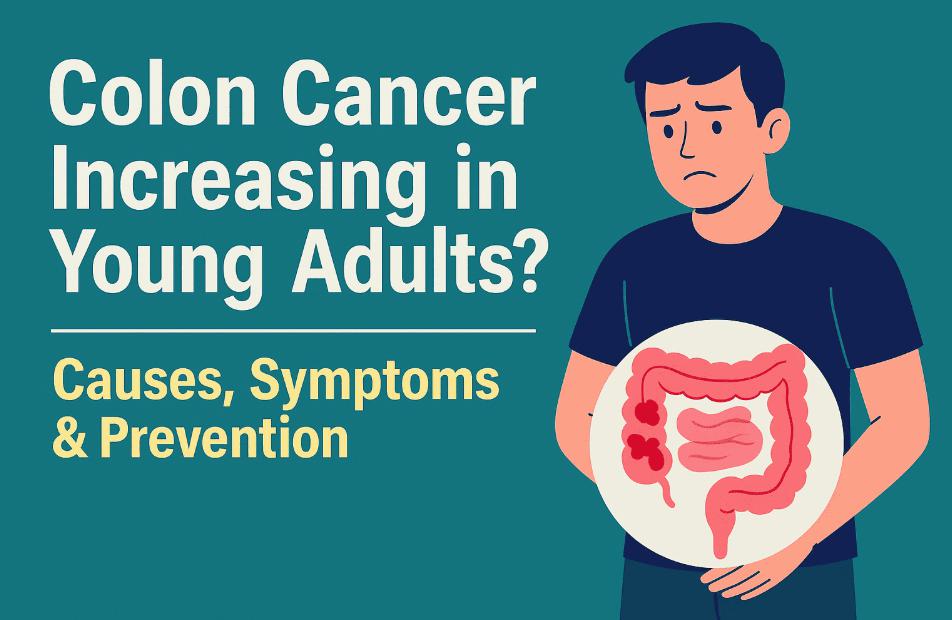
In recent years, doctors and researchers have observed a concerning trend: the increasing incidence of colon cancer in young adults. Traditionally viewed as a disease that primarily affects older populations, colon cancer is now being diagnosed in people under the age of 50 at higher rates than ever before. This shift has raised urgent questions about causes, risk factors, and strategies for early detection.
Awareness is crucial because colon cancer often develops silently in its early stages. By understanding its definition, symptoms, and risk factors, young adults can take proactive steps toward prevention, timely diagnosis, and effective treatment. This article explores everything you need to know about colon cancer in younger populations, including the latest research and practical lifestyle recommendations.
Definition and Overview
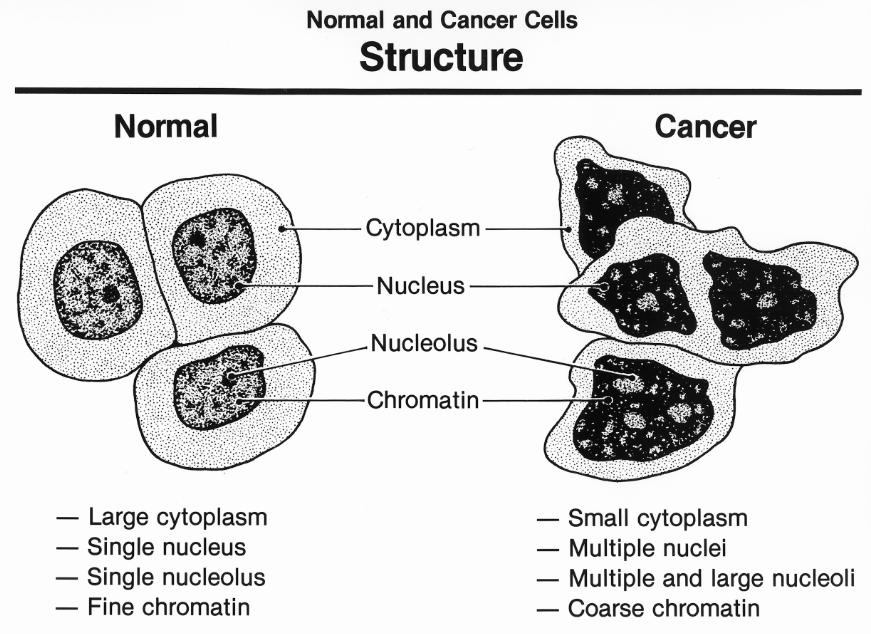
Colon cancer, also known as colorectal cancer when combined with rectal cancer, begins in the large intestine. It develops when abnormal cells grow uncontrollably, forming polyps or malignant tumors. While colon cancer has been historically linked to older adults, cases of colon cancer in young adults are steadily rising, prompting the medical community to reevaluate screening guidelines.
Unlike older adults, younger patients often face delayed diagnoses because symptoms are mistaken for less serious digestive issues. This delay can lead to more advanced stages of cancer at the time of discovery, making awareness and education even more important.
Types
Colon cancer in young adults can manifest in several forms, including:
- Adenocarcinomas: The most common type, arising from glandular cells in the colon lining.
- Mucinous adenocarcinomas: Tumors with a higher mucus content, often more aggressive.
- Signet-ring cell carcinomas: A rare but aggressive subtype commonly seen in younger patients.
- Familial colorectal cancers: Linked to inherited genetic syndromes like Lynch syndrome or familial adenomatous polyposis (FAP).
Causes and Risk Factors
The causes of colon cancer in young adults are still under investigation, but several risk factors have been identified:
- Genetics and family history: Inherited mutations increase risk significantly.
- Diet and lifestyle: High consumption of processed meats, low fiber intake, obesity, and sedentary habits contribute to risk.
- Inflammatory bowel disease: Conditions like Crohn’s disease or ulcerative colitis raise the likelihood of colon cancer.
- Environmental factors: Exposure to toxins, smoking, and alcohol use can play a role.
- Delayed screenings: Since young adults are not routinely screened, cancers often progress unnoticed.
Symptoms and Early Warning Signs
Early symptoms of colon cancer may be subtle and easily overlooked. Young adults should be aware of:
- Persistent changes in bowel habits (constipation or diarrhea)
- Blood in the stool or rectal bleeding
- Abdominal pain, cramping, or bloating
- Unexplained weight loss
- Fatigue and weakness
Recognizing these signs early and consulting a healthcare provider can make a critical difference in outcomes.
Diagnosis
Diagnosing colon cancer in young adults typically involves:
- Colonoscopy: The gold standard for detection, allowing doctors to view and biopsy abnormal growths.
- Imaging tests: CT scans, MRIs, or PET scans to determine spread.
- Blood tests: Checking for anemia or tumor markers like CEA (carcinoembryonic antigen).
- Genetic testing: Recommended for patients with a strong family history.
Treatment Options
Treatment depends on the stage, location, and overall health of the patient. Common options include:
- Surgery: Removal of cancerous tissue is often the first line of treatment.
- Chemotherapy: Used before or after surgery to kill remaining cancer cells.
- Radiation therapy: More common in rectal cancer but sometimes used in colon cancer.
- Targeted therapy: Drugs that attack specific cancer cell mechanisms.
- Immunotherapy: An emerging option for cancers with specific genetic markers.
Prevention and Lifestyle Recommendations
While not all cases are preventable, young adults can reduce their risk of colon cancer by:
- Eating a diet rich in fruits, vegetables, and whole grains
- Limiting red and processed meats
- Exercising regularly and maintaining a healthy weight
- Avoiding tobacco and limiting alcohol consumption
- Seeking genetic counseling if there is a family history
- Considering earlier screening if risk factors are present
Prognosis and Survival Rates
Prognosis for colon cancer in young adults depends on how early the cancer is detected. Early-stage cancers have a high survival rate, while advanced stages are more challenging to treat. Unfortunately, younger patients are often diagnosed later, which can lower survival outcomes. However, advancements in treatment and increased awareness are helping to improve long-term survival rates.
Latest Research and Innovations
Ongoing studies are shedding light on why colon cancer is rising among younger populations. Researchers are exploring the roles of gut microbiome imbalances, dietary patterns, and genetic predispositions. Innovations in non-invasive screening, such as stool DNA tests, and precision medicine approaches are paving the way for earlier detection and more personalized treatment strategies.
Coping and Support for Patients
Receiving a diagnosis of colon cancer at a young age can be emotionally overwhelming. Patients may face challenges related to fertility, career, or mental health. Support groups, counseling, and survivorship programs can provide much-needed guidance and community. Connecting with organizations focused on young adults with cancer can also offer valuable resources.
Conclusion
The rise of colon cancer in young adults is a pressing health concern that highlights the importance of awareness, early detection, and prevention. By recognizing symptoms, addressing risk factors, and advocating for earlier screenings, young people can improve their chances of survival and quality of life. With continued research and innovation, there is hope for better outcomes in the future.
FAQ
1. Why is colon cancer increasing in young adults?
The exact reason is unclear, but lifestyle changes, genetics, and environmental factors are thought to contribute.
2. At what age should young adults consider colon cancer screening?
While guidelines typically recommend starting at age 45, those with a family history or risk factors may need earlier screening.
3. Can diet really reduce the risk of colon cancer?
Yes. Diets high in fiber, fruits, and vegetables and low in processed meats have been shown to lower risk.
4. Is colon cancer more aggressive in young adults?
Studies suggest that colon cancer in younger patients may progress faster and present at more advanced stages.
5. What should I do if I notice symptoms like blood in my stool?
See a healthcare professional immediately for evaluation, even if you are young and otherwise healthy.