
Skin Cancer Creams and Ointments: Causes and Risk Factors

Skin cancer is one of the most common types of cancer worldwide, affecting millions of people every year. With increasing awareness and advancements in medical science, non-invasive treatments have become more available to patients. Among these, skin cancer creams and ointments play a vital role in treating certain forms of skin cancer without surgery.

These topical treatments are designed to target cancerous cells on the skin while minimizing damage to surrounding healthy tissue. Understanding how they work, when they are used, and their effectiveness can help patients make informed decisions about their care. This article will explore definitions, types, symptoms, causes, treatment options, and supportive resources to give you a complete picture of skin cancer management.

Definition and Overview

Skin cancer creams and ointments are topical medications prescribed to treat specific skin cancers such as basal cell carcinoma and squamous cell carcinoma in their early stages. They are usually applied directly to the affected area and work by either boosting the body’s immune system or destroying abnormal cells. These treatments are most effective for superficial cancers that have not spread deeper into the skin.

Types

There are several types of creams and ointments used in skin cancer treatment:

  • Imiquimod cream (Aldara, Zyclara): Stimulates the immune system to attack cancer cells.
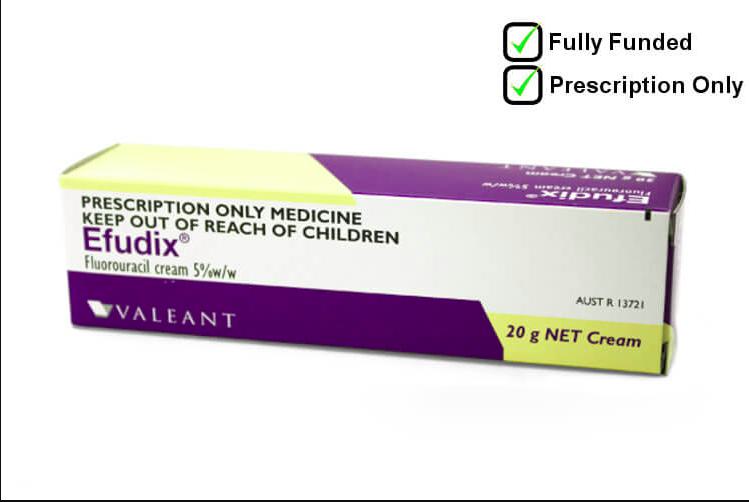
  • 5-Fluorouracil (5-FU, Efudex, Carac): A chemotherapy cream that destroys cancerous and precancerous cells.
  • Ingenol mebutate (Picato): Works by killing abnormal cells and triggering immune responses.
  • Diclofenac gel (Solaraze): Commonly used for actinic keratosis, a precancerous condition.

Causes and Risk Factors

Skin cancer often develops due to long-term exposure to ultraviolet (UV) radiation from the sun or tanning beds. Other risk factors include fair skin, family history of skin cancer, weakened immune system, and frequent sunburns. Understanding these risks helps patients and healthcare providers determine whether skin cancer creams and ointments are an appropriate treatment.

Symptoms and Early Warning Signs

Early symptoms of skin cancer can vary, but common warning signs include:

  • A sore or pimple-like bump that doesn’t heal
  • Scaly patches of skin that may itch or bleed
  • Pearly or shiny nodules on the skin
  • Dark spots or irregular moles that change in shape, size, or color

Diagnosis

Diagnosis typically begins with a skin examination by a dermatologist. If a suspicious lesion is found, a biopsy may be performed to confirm whether cancer is present. Once diagnosed, the doctor will determine whether skin cancer creams and ointments are suitable or if surgery, radiation, or other therapies are necessary.

Treatment Options

Topical treatments are often recommended for small, superficial skin cancers. In addition to skin cancer creams and ointments, other treatment options include:

  • Surgical excision
  • Mohs surgery
  • Radiation therapy
  • Cryotherapy (freezing the cancer cells)
  • Photodynamic therapy

Topical creams are especially useful for patients who want to avoid invasive procedures or for treating cancers in cosmetically sensitive areas such as the face.

Prevention and Lifestyle Recommendations

While treatment options exist, prevention remains the best approach. Steps include:

  • Using sunscreen daily with at least SPF 30
  • Wearing protective clothing and wide-brimmed hats
  • Avoiding tanning beds
  • Performing regular self-exams to detect early skin changes
  • Scheduling annual dermatology checkups

Prognosis and Survival Rates

When detected early, skin cancer is highly treatable, and survival rates are excellent. For basal cell carcinoma and squamous cell carcinoma, the cure rate is often above 90% with proper treatment. Patients using skin cancer creams and ointments may experience local side effects such as redness, itching, or mild burning, but overall outcomes are positive.

Latest Research and Innovations

Research in skin cancer treatment continues to expand, with new topical therapies being developed to improve effectiveness and reduce side effects. Immunotherapy creams and combination treatments are showing promise in clinical trials, offering hope for more targeted and less invasive care in the future.

Coping and Support for Patients

A skin cancer diagnosis can be overwhelming, but patients don’t have to face it alone. Support groups, counseling, and patient education resources can provide valuable guidance. Talking to healthcare providers about concerns and staying informed about treatment options, including skin cancer creams and ointments, helps patients feel more empowered in their journey.

Conclusion

Skin cancer creams and ointments offer a safe, effective, and non-invasive alternative to surgery for treating certain types of skin cancer. While not suitable for every case, they play an important role in modern dermatology. Early detection, preventive care, and open communication with healthcare professionals remain key to successful outcomes.

FAQ

1. What types of skin cancer can be treated with creams and ointments?
They are mainly used for superficial basal cell carcinoma, squamous cell carcinoma in situ, and precancerous lesions like actinic keratosis.

2. Are skin cancer creams as effective as surgery?
They can be effective for early-stage and superficial cancers but are generally less reliable for deep or aggressive tumors.

3. Do skin cancer creams have side effects?
Yes, common side effects include redness, irritation, burning, and peeling, which usually resolve after treatment ends.

4. Can I use skin cancer creams without a prescription?
No. These medications must be prescribed and supervised by a dermatologist.

5. How long does it take for creams to work?
Treatment duration varies but usually lasts several weeks. Visible skin reactions may occur before improvement is seen.
Pimple That Won’t Go Away Skin Cancer: Causes and Risk Factors

Most people experience pimples or acne at some point in their lives, and in most cases, these blemishes eventually clear up on their own. However, when you notice a pimple that won’t go away, it could raise concerns about whether it might be more than just a skin issue. Persistent bumps on the skin can sometimes signal a serious condition, including skin cancer.

Understanding the difference between a harmless blemish and a possible warning sign of skin cancer is crucial. By learning the symptoms, causes, and treatment options, you can take proactive steps toward early detection and care. This article explores the link between a pimple that won’t go away and skin cancer, providing insights for prevention, diagnosis, and support.

Definition and Overview

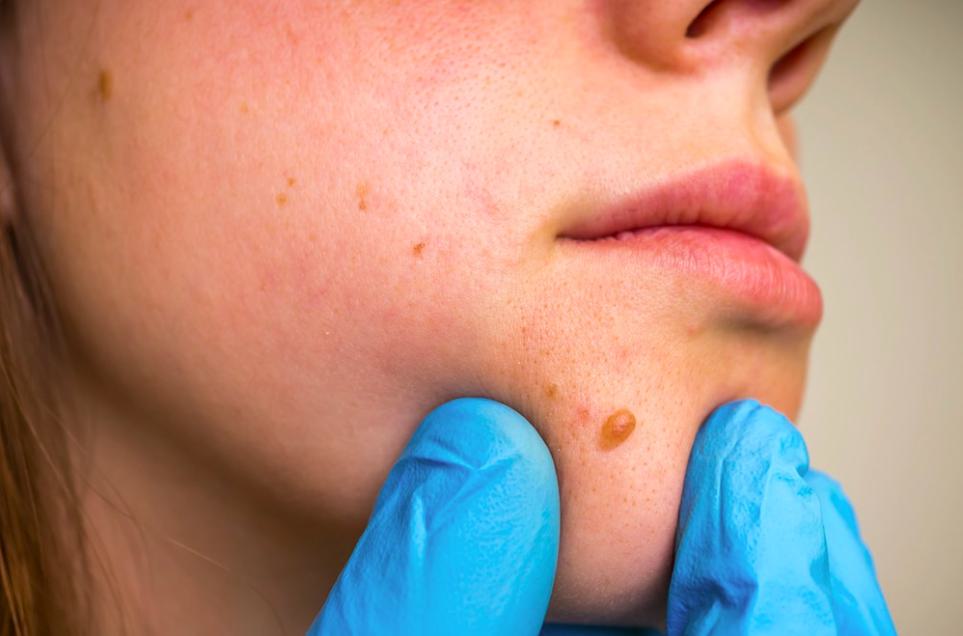
A pimple that won’t go away skin cancer concern arises when what appears to be a common acne bump lingers for weeks or months without healing. Unlike typical pimples that resolve within days, these persistent bumps may indicate basal cell carcinoma (BCC), squamous cell carcinoma (SCC), or even melanoma. These are types of skin cancer that can start as small, pimple-like growths.

Skin cancer develops when abnormal skin cells grow uncontrollably, often due to DNA damage from ultraviolet (UV) radiation. While not every long-lasting pimple is cancer, paying attention to persistent changes on your skin is important for timely diagnosis.

Types

Skin cancers that may resemble a pimple that won’t go away include:

  • Basal Cell Carcinoma (BCC): The most common type of skin cancer, often appearing as a shiny bump or sore that doesn’t heal.
  • Squamous Cell Carcinoma (SCC): May look like a firm red bump or scaly patch.
  • Melanoma: Less common but more aggressive, sometimes resembling a dark spot or unusual bump.

Causes and Risk Factors

Several factors increase the risk of a persistent pimple turning out to be skin cancer:

  • Prolonged exposure to UV rays from the sun or tanning beds
  • Fair skin or light-colored eyes and hair
  • Family history of skin cancer
  • Weakened immune system
  • History of frequent sunburns
  • Age, as risk increases over time

Symptoms and Early Warning Signs

A pimple that won’t go away may be cancerous if it shows any of these signs:

  • Lasts longer than two weeks without improvement
  • Bleeds easily or forms a scab repeatedly
  • Has an unusual color (pearly, red, or dark)
  • Grows slowly in size
  • Feels firm, tender, or itchy
  • Appears in sun-exposed areas such as the face, neck, or arms

Diagnosis

If you suspect a persistent pimple could be skin cancer, consult a dermatologist. Diagnostic steps may include:

  • Physical examination: A dermatologist inspects the lesion.
  • Dermatoscopy: A magnified view to detect abnormal patterns.
  • Skin biopsy: A small tissue sample is tested under a microscope to confirm or rule out cancer.

Treatment Options

Treatment depends on the type and stage of skin cancer:

  • Surgical excision: Removing the cancerous lesion and surrounding tissue.
  • Mohs surgery: Layer-by-layer removal of cancer cells, effective for facial lesions.
  • Cryotherapy: Freezing abnormal cells with liquid nitrogen.
  • Topical medications: Creams or gels for early-stage cancers.
  • Radiation therapy: Used when surgery is not possible.
  • Targeted therapy or immunotherapy: For advanced melanoma.

Prevention and Lifestyle Recommendations

Preventive measures can significantly lower your risk:

  • Apply broad-spectrum sunscreen daily (SPF 30 or higher).
  • Wear protective clothing, hats, and sunglasses outdoors.
  • Avoid tanning beds.
  • Perform regular self-exams to check for new or changing skin lesions.
  • Schedule yearly skin check-ups with a dermatologist.

Prognosis and Survival Rates

Early detection of skin cancer that looks like a pimple that won’t go away often leads to excellent outcomes.

  • Basal Cell Carcinoma: Over 95% cure rate with early treatment.
  • Squamous Cell Carcinoma: High survival rate if detected early but riskier if untreated.
  • Melanoma: Prognosis depends on stage; early melanoma has a survival rate exceeding 90%, but advanced melanoma can be life-threatening.

Latest Research and Innovations

Recent research focuses on developing non-invasive diagnostic tools such as advanced imaging technologies and artificial intelligence to differentiate harmless pimples from skin cancer. Additionally, targeted therapies and immunotherapy have shown promise in treating advanced cases of melanoma, improving patient survival and quality of life.

Coping and Support for Patients

A skin cancer diagnosis can be emotionally overwhelming, especially when symptoms were mistaken for a simple pimple. Support resources include:

  • Counseling or therapy to cope with anxiety and fear
  • Support groups for sharing experiences with other patients
  • Guidance from dermatologists and oncologists for personalized treatment
  • Educational resources to help patients understand their condition

Conclusion

A pimple that won’t go away skin cancer concern should never be ignored. While not every persistent bump is cancer, it is always better to err on the side of caution. Early detection, timely diagnosis, and effective treatment can save lives. Protecting your skin, staying alert to warning signs, and seeking professional help are the best strategies for prevention and long-term health.

FAQ

1. How long should I wait before worrying about a pimple that won’t go away?
If a pimple lasts more than two weeks without improvement, it’s best to consult a dermatologist.

2. Can skin cancer really look like a simple pimple?
Yes, basal cell carcinoma and squamous cell carcinoma often appear as bumps resembling pimples.

3. Is every persistent pimple a sign of cancer?
No, but it’s important to rule out skin cancer with a medical evaluation.

4. What areas of the body are most at risk?
Skin cancers resembling pimples often appear on sun-exposed areas like the face, scalp, ears, neck, and arms.

5. Can I prevent skin cancer completely?
While no method is 100% effective, practicing sun safety and regular check-ups greatly reduce your risk.