
How to Prevent Brain Cancer: Causes and Risk Factors

Brain cancer is one of the most serious health conditions that can affect both the patient and their loved ones. While it is less common compared to other types of cancer, its impact on brain function and quality of life makes it a critical concern. Many people today are asking, how to prevent brain cancer and whether lifestyle choices can reduce the risks.

Although not all cases of brain cancer are preventable, understanding the factors that contribute to its development is a crucial step. By combining medical knowledge, healthy habits, and awareness of early warning signs, you can significantly lower the risk and improve overall brain health.

Definition and Overview

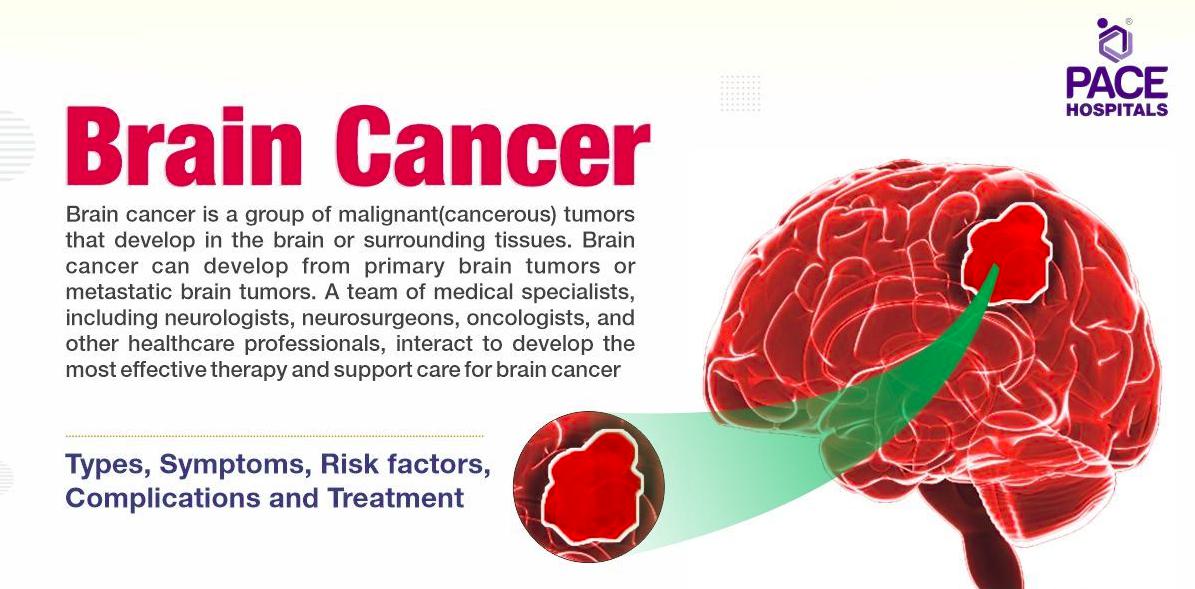
Brain cancer refers to the abnormal growth of cells in the brain that form malignant tumors. These tumors can disrupt brain function by pressing on nearby nerves, tissues, and structures. Unlike benign tumors, malignant brain tumors spread quickly and can be life-threatening. Brain cancer can originate in the brain itself (primary brain cancer) or spread from other parts of the body (secondary or metastatic brain cancer).

Types of Brain Cancer

There are several types of brain cancer, categorized based on the cell type and tumor location:

  • Gliomas: The most common, including astrocytomas, oligodendrogliomas, and glioblastomas.
  • Meningiomas: Tumors that form in the meninges (protective layers of the brain).
  • Medulloblastomas: Fast-growing tumors often found in children.
  • Pituitary tumors: Affect the gland responsible for hormones.
  • Metastatic brain tumors: Cancer that has spread from another organ.

Causes and Risk Factors

While the exact cause of brain cancer is not always clear, several risk factors have been identified:

  • Genetic mutations and inherited syndromes
  • Exposure to high levels of radiation
  • Family history of brain tumors
  • Age (risk increases with age)
  • Weakened immune system
  • Environmental exposure to harmful chemicals

Symptoms and Early Warning Signs

Recognizing the symptoms of brain cancer early can make a big difference in treatment outcomes. Some common warning signs include:

  • Persistent headaches, especially in the morning
  • Nausea and vomiting
  • Sudden vision or speech problems
  • Seizures
  • Unexplained fatigue
  • Difficulty concentrating or memory loss
  • Weakness or numbness in limbs

Diagnosis

Doctors use several methods to diagnose brain cancer:

  • Neurological exam to check brain function
  • Imaging tests such as MRI, CT scan, and PET scan
  • Biopsy to confirm the presence of cancer cells
  • Genetic testing to identify mutations and guide treatment

Treatment Options

Treatment for brain cancer depends on the type, size, and location of the tumor, as well as the patient’s overall health. Common options include:

  • Surgery to remove as much of the tumor as possible
  • Radiation therapy to destroy cancer cells
  • Chemotherapy to stop or slow cancer growth
  • Targeted therapy that attacks specific cancer cell mutations
  • Immunotherapy to boost the immune system’s response
  • Supportive care to manage symptoms and improve quality of life

Prevention and Lifestyle Recommendations

While not all cases can be prevented, adopting a healthy lifestyle can lower risks. Here are some recommendations on how to prevent brain cancer:

  • Avoid unnecessary exposure to radiation
  • Use protective gear when handling chemicals
  • Eat a balanced diet rich in fruits, vegetables, and antioxidants
  • Stay physically active to improve immune function
  • Avoid smoking and limit alcohol intake
  • Manage stress and get enough sleep
  • Regular medical check-ups, especially if you have a family history

Prognosis and Survival Rates

The prognosis for brain cancer varies widely depending on the type, stage, and response to treatment. Some slow-growing tumors can be managed for years, while aggressive forms like glioblastoma are more challenging. Advances in treatment are improving survival rates, but early detection remains a key factor for better outcomes.

Latest Research and Innovations

Ongoing research is focused on developing more effective and less invasive treatments. Innovations include:

  • Personalized medicine based on genetic profiling
  • Advanced surgical techniques with precision navigation
  • Immunotherapy breakthroughs
  • Nanotechnology for targeted drug delivery
  • Artificial intelligence for early diagnosis and monitoring

Coping and Support for Patients

Living with brain cancer is emotionally and physically demanding. Patients and families can benefit from:

  • Counseling and mental health support
  • Support groups to connect with others facing similar challenges
  • Rehabilitation therapies to improve mobility and speech
  • Palliative care to enhance comfort and quality of life

Conclusion

Although brain cancer remains one of the most complex diseases, knowledge and prevention strategies empower us to take control of our health. While it may not always be possible to prevent it completely, adopting healthy habits, staying informed about risks, and seeking medical attention for early symptoms are powerful steps. By understanding how to prevent brain cancer, you can reduce risks and protect brain health for the future.

FAQ

1. Can brain cancer be completely prevented?
Not entirely, but lifestyle changes and risk management can lower the chances significantly.

2. Who is most at risk for brain cancer?
Older adults, people with genetic predispositions, and those exposed to radiation or harmful chemicals face higher risks.

3. What foods help reduce the risk of brain cancer?
Diets rich in leafy greens, berries, whole grains, and omega-3 fatty acids support brain health and may reduce cancer risks.

4. How can I detect brain cancer early?
Watch for persistent headaches, seizures, vision changes, and sudden neurological issues, and consult a doctor promptly.

5. Is brain cancer always fatal?
No. Survival depends on the type, stage, and treatment response. Some patients live many years with proper management.
Breast Cancer Metastasis to Lung: Causes and Risk Factors

Breast cancer remains one of the most common cancers worldwide, and while many patients respond well to early treatment, there are cases where the disease spreads beyond the breast. One of the most frequent sites for secondary spread is the lungs. When breast cancer metastasizes to the lungs, it often signals an advanced stage of the disease, requiring specialized care and long-term management.

Understanding breast cancer metastasis to lung is crucial for patients, caregivers, and healthcare professionals. By learning the causes, risk factors, symptoms, and treatment options, individuals can be better prepared to manage this challenging condition. This guide provides a complete overview, offering insights into diagnosis, prognosis, prevention, and coping strategies.

Definition and Overview

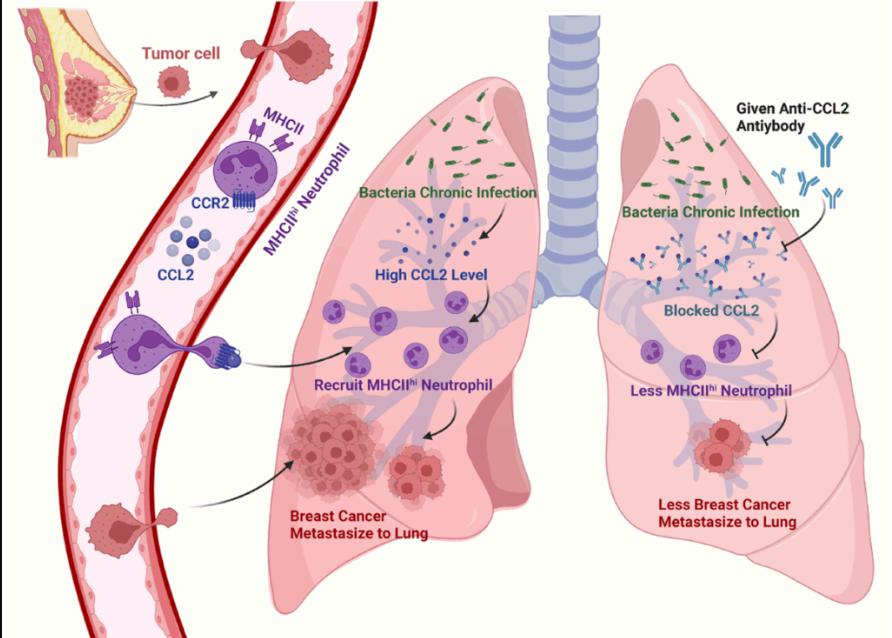
Breast cancer metastasis to lung occurs when cancer cells from the breast travel through the bloodstream or lymphatic system and establish tumors within lung tissue. This stage is typically classified as stage IV breast cancer. While not all patients with advanced breast cancer will experience lung metastases, the lungs are a common site due to their rich blood supply and proximity to lymphatic pathways.

Types

Metastatic breast cancer to the lungs can appear in different forms:

  • Nodular metastases: Small nodules scattered throughout lung tissue.
  • Pleural metastases: Cancer spreads to the lining of the lungs, sometimes leading to fluid buildup (pleural effusion).
  • Diffuse infiltrative metastases: Cancer spreads more widely, affecting larger portions of lung tissue.

Causes and Risk Factors

Several factors increase the likelihood of breast cancer metastasis to lung, including:

  • Advanced or aggressive tumor biology (such as triple-negative or HER2-positive cancers).
  • Delayed diagnosis or incomplete initial treatment.
  • Family history and genetic mutations like BRCA1/BRCA2.
  • Lifestyle factors such as smoking, lack of exercise, and poor nutrition.
  • Weakened immune system or other chronic health conditions.

Symptoms and Early Warning Signs

The symptoms of breast cancer metastasis to lung can be subtle at first but may include:

  • Persistent cough that does not improve.
  • Shortness of breath or difficulty breathing.
  • Chest pain or discomfort.
  • Coughing up blood.
  • Frequent respiratory infections.
  • Fatigue and unexplained weight loss.

Recognizing these signs early can make a significant difference in managing the disease effectively.

Diagnosis

Doctors use several diagnostic methods to confirm breast cancer metastasis to lung:

  • Imaging tests such as chest X-rays, CT scans, PET scans, and MRIs.
  • Biopsy to analyze lung tissue and confirm cancerous cells.
  • Blood tests to monitor tumor markers and overall health.
  • Bronchoscopy in certain cases to examine the airways.

Treatment Options

Treatment for breast cancer metastasis to lung focuses on controlling the spread, reducing symptoms, and improving quality of life. Options include:

  • Systemic therapies such as chemotherapy, hormonal therapy, and targeted therapy.
  • Immunotherapy for specific types of breast cancer.
  • Radiation therapy to shrink tumors in the lung.
  • Surgery in rare cases where only a limited number of metastases are present.
  • Palliative care to relieve symptoms and improve comfort.

Prevention and Lifestyle Recommendations

While breast cancer metastasis cannot always be prevented, patients can adopt lifestyle strategies to reduce risks and support overall health:

  • Maintain a balanced diet rich in fruits, vegetables, and whole grains.
  • Engage in regular physical activity.
  • Avoid smoking and limit alcohol intake.
  • Adhere to regular screenings and follow-up appointments.
  • Manage stress through mindfulness, yoga, or counseling.

Prognosis and Survival Rates

The prognosis of breast cancer metastasis to lung varies depending on factors such as age, overall health, tumor biology, and response to treatment. On average, the five-year survival rate for stage IV breast cancer is lower than earlier stages, but advances in therapy are improving outcomes. Some patients live many years with metastatic disease thanks to personalized treatment approaches.

Latest Research and Innovations

Research into breast cancer metastasis to lung continues to evolve. Current innovations include:

  • Precision medicine to tailor therapies based on genetic profiling.
  • Novel targeted therapies focusing on HER2, hormone receptors, and immune checkpoints.
  • Liquid biopsies for less invasive monitoring of disease progression.
  • Clinical trials offering access to breakthrough therapies.

Coping and Support for Patients

Living with breast cancer metastasis to lung can be physically and emotionally overwhelming. Support strategies include:

  • Joining support groups for emotional connection.
  • Seeking counseling or therapy to manage stress and anxiety.
  • Involving family and caregivers in treatment planning.
  • Exploring integrative therapies such as acupuncture or massage to relieve symptoms.

Conclusion

Breast cancer metastasis to lung represents a serious yet increasingly manageable condition thanks to advances in modern medicine. By understanding the risks, recognizing early symptoms, and exploring all available treatment options, patients can improve both survival and quality of life. With proper medical care and strong emotional support, living with metastatic breast cancer is possible with dignity and hope.

FAQ

1. What is breast cancer metastasis to lung?
It is the spread of breast cancer cells from the original tumor site to the lungs, classified as stage IV breast cancer.

2. What are the first symptoms of breast cancer spreading to the lungs?
Common early symptoms include persistent cough, shortness of breath, chest pain, and fatigue.

3. How is breast cancer metastasis to lung diagnosed?
Diagnosis is confirmed through imaging tests, biopsies, and sometimes bronchoscopy.

4. Can breast cancer metastasis to lung be cured?
While a complete cure is rare, treatment can control the disease, extend survival, and improve quality of life.

5. What is the life expectancy for breast cancer with lung metastases?
Life expectancy varies widely depending on factors such as cancer subtype, treatment response, and overall health. Some patients live many years with effective management.