

Thoracic Back Pain and Cancer: Causes and Risk Factors

Thoracic back pain is a discomfort or ache felt in the upper and middle back area, spanning the region between the shoulder blades and the bottom of the ribcage. While it is often caused by muscle strain, poor posture, or spinal issues, persistent or unexplained thoracic back pain can sometimes be an indicator of a more serious underlying condition, including cancer.

Understanding the potential link between thoracic back pain and cancer is essential for early detection and effective treatment. Many individuals ignore upper back pain as a minor inconvenience, but in some cases, it may signal the presence of tumors affecting the spine, lungs, or other nearby organs. This article provides a comprehensive overview of how thoracic pain relates to cancer, its causes, diagnosis, and what steps you can take to protect your health.

Definition and Overview

Thoracic back pain refers to pain occurring in the thoracic spine, which includes twelve vertebrae located in the upper and middle back. This area plays a crucial role in stabilizing the torso and protecting vital organs such as the heart and lungs.

When discussing thoracic back pain and cancer, the concern lies in pain that results from cancerous growths in or around the spine, lungs, or other thoracic structures. Such pain is often persistent, worsening over time, and not easily relieved by rest or over-the-counter medication.

Types

Several types of cancer may present with thoracic back pain as an early or secondary symptom, including:

  1. Spinal cancer – Tumors developing in the thoracic vertebrae or spinal cord.
  2. Lung cancer – Especially when the tumor presses on the spine or nerves.
  3. Breast cancer – May spread (metastasize) to the spine, causing upper back pain.
  4. Lymphoma – Can involve lymph nodes in the chest, resulting in thoracic pain.
  5. Bone metastases – Secondary cancer spreading to the bones of the thoracic spine.

Causes and Risk Factors

Thoracic back pain associated with cancer may be caused by:

  • Tumor growth pressing against spinal nerves or bones
  • Metastasis to the thoracic vertebrae
  • Compression fractures caused by weakened bones due to cancer
  • Inflammatory responses from malignant tissue

Risk factors for developing cancer-related thoracic pain include:

  • A personal or family history of cancer
  • Smoking (especially linked to lung cancer)
  • Prolonged exposure to carcinogens
  • Age above 50 years
  • Unexplained weight loss or fatigue

Symptoms and Early Warning Signs

While thoracic back pain can result from benign causes, certain warning signs may suggest a possible cancer-related origin:

  • Persistent or progressively worsening pain
  • Pain that does not improve with rest or medication
  • Night pain that disrupts sleep
  • Unexplained weight loss
  • Fatigue or weakness
  • Pain accompanied by neurological symptoms such as numbness or tingling
  • Difficulty breathing (if the tumor affects the lungs or chest wall)

If you experience any of these symptoms along with thoracic back pain, it is essential to consult a healthcare professional for evaluation.

Diagnosis

Diagnosis typically begins with a detailed medical history and physical examination. If cancer is suspected, doctors may recommend:

  • Imaging tests such as X-rays, MRI, or CT scans to detect structural abnormalities.
  • Blood tests to check for markers associated with cancer.
  • Bone scans to detect metastases in the spine.
  • Biopsy if a tumor or suspicious mass is found.

Early and accurate diagnosis is crucial for effective management of thoracic back pain and cancer.

Treatment Options

Treatment depends on the type, stage, and location of the cancer, as well as the patient’s overall health. Common treatment options include:

  • Surgery to remove tumors compressing spinal structures.
  • Radiation therapy to shrink or destroy cancerous cells.
  • Chemotherapy for systemic cancer treatment.
  • Targeted therapy and immunotherapy for specific cancer types.
  • Pain management using medications, nerve blocks, or physiotherapy to improve comfort and mobility.

Prevention and Lifestyle Recommendations

While not all cancers can be prevented, certain lifestyle adjustments can reduce risk:

  • Avoid smoking and exposure to carcinogens.
  • Maintain a healthy diet rich in fruits, vegetables, and whole grains.
  • Exercise regularly to support spine and overall health.
  • Manage weight and posture to reduce mechanical back strain.
  • Undergo regular medical check-ups, especially if you have risk factors or a family history of cancer.

Prognosis and Survival Rates

The prognosis for individuals experiencing thoracic back pain due to cancer varies widely depending on the cancer type and stage at diagnosis. Early detection significantly improves survival rates and treatment outcomes. For instance, localized spinal tumors may be treatable with surgery and radiation, while metastatic cancer may require ongoing systemic therapy.

Latest Research and Innovations

Recent advancements in medical technology and oncology have improved outcomes for patients with cancer-related back pain. Innovations include:

  • Minimally invasive spinal surgeries to relieve compression and pain.
  • Precision oncology using genetic testing to personalize treatment.
  • Immunotherapy that enhances the body’s natural defense against cancer.
  • AI-assisted imaging for early detection of spinal metastases.

These developments provide new hope for managing both cancer and associated thoracic pain more effectively.

Coping and Support for Patients

Living with thoracic back pain and cancer can be emotionally and physically challenging. Patients are encouraged to seek support through:

  • Professional counseling or therapy
  • Cancer support groups and online communities
  • Palliative care teams for pain and symptom management
  • Family and caregiver involvement for emotional support

Maintaining a positive outlook, staying informed, and following medical guidance can significantly improve quality of life.

Conclusion

While thoracic back pain is often benign, persistent pain that resists conventional treatment should never be ignored. In some cases, it may be an early warning sign of cancer involving the spine, lungs, or nearby organs. Understanding the link between thoracic back pain and cancer enables early diagnosis, timely intervention, and better outcomes. If you experience unexplained or chronic back pain, consult a healthcare provider promptly to rule out serious conditions.

FAQ

1. Can thoracic back pain be the first sign of cancer?
Yes. Persistent upper or mid-back pain can sometimes be an early symptom of lung, spinal, or metastatic cancer.

2. How can I tell if my back pain is cancer-related?
Cancer-related pain often worsens at night, persists over time, and is not relieved by rest or common painkillers.

3. What type of cancer most commonly causes thoracic back pain?
Lung cancer, breast cancer, and spinal metastases are among the most common causes.

4. How is cancer-related thoracic pain treated?
Treatment may involve surgery, radiation, chemotherapy, or pain management depending on the diagnosis.

5. When should I see a doctor for thoracic back pain?
If your back pain is severe, constant, or accompanied by unexplained weight loss, fatigue, or neurological symptoms, consult a doctor immediately.
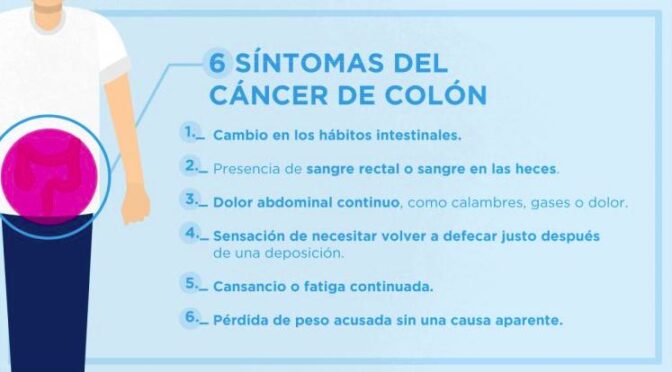
Cuales Son Los Sintomas del Cancer de Colon: Causes and Risk Factors

Colorectal cancer, often referred to as colon cancer, is one of the most common types of cancer affecting both men and women worldwide. Understanding cuales son los sintomas del cancer de colon (what are the symptoms of colon cancer) is essential for early detection and successful treatment. While the disease often develops silently, recognizing its warning signs can make a significant difference in outcomes.

In this article, we’ll explore everything you need to know about colon cancer—from its definition, causes, and risk factors to its symptoms, diagnosis, treatment, and prevention. Whether you are concerned about your health or supporting a loved one, this comprehensive guide will help you stay informed and proactive.

Definition and Overview

Colon cancer begins in the large intestine (colon), the final part of the digestive tract. It usually starts as small, noncancerous clumps of cells called polyps that can gradually turn into cancer over time. Detecting these polyps early through screening tests can help prevent the development of colon cancer.

The condition is often associated with age, lifestyle, and genetic factors. Most cases occur in adults over 50, but recent studies show that it’s increasingly affecting younger populations as well.

Types of Colon Cancer

There are several types of colon cancer, categorized by the cells where the cancer begins:

  1. Adenocarcinomas – The most common type, making up over 90% of cases, starts in the mucus-producing glands of the colon.
  2. Carcinoid tumors – These begin in hormone-producing cells of the intestine.
  3. Gastrointestinal stromal tumors (GISTs) – Rare tumors that form in the connective tissue of the colon.
  4. Lymphomas – Cancers that start in the immune system cells of the colon.
  5. Sarcomas – Tumors that originate in blood vessels, muscles, or connective tissues within the colon wall.

Causes and Risk Factors

While the exact cause of colon cancer is not always clear, several risk factors increase a person’s likelihood of developing the disease:

  • Age: Risk increases after age 50.
  • Family history: A close relative with colon cancer raises the risk.
  • Genetic mutations: Conditions like Lynch syndrome or familial adenomatous polyposis (FAP).
  • Diet: High consumption of red or processed meats.
  • Lifestyle: Sedentary habits, smoking, and excessive alcohol use.
  • Obesity: Being overweight can heighten the risk.
  • Inflammatory bowel diseases: Such as Crohn’s disease or ulcerative colitis.

Symptoms and Early Warning Signs

Recognizing cuales son los sintomas del cancer de colon is critical for early diagnosis. Symptoms may vary depending on the stage and location of the cancer, but common signs include:

  • Persistent changes in bowel habits (diarrhea, constipation, or narrow stools)
  • Blood in the stool or rectal bleeding
  • Abdominal discomfort, cramps, or bloating
  • Unexplained weight loss
  • Fatigue or weakness
  • A feeling that the bowel doesn’t empty completely
  • Iron-deficiency anemia

In the early stages, colon cancer may cause no symptoms, which is why regular screenings such as colonoscopies are vital.

Diagnosis

To confirm a diagnosis, doctors use several tests, including:

  • Colonoscopy – The gold standard for detecting polyps or tumors.
  • Fecal occult blood test (FOBT) – Checks for hidden blood in the stool.
  • CT colonography (virtual colonoscopy) – A non-invasive imaging option.
  • Biopsy – Tissue samples examined under a microscope to confirm cancer.
  • Blood tests – To evaluate organ function and detect tumor markers like CEA (carcinoembryonic antigen).

Treatment Options

Treatment for colon cancer depends on the stage, overall health, and patient preferences. Common approaches include:

  • Surgery – The most common treatment, involving the removal of cancerous sections of the colon.
  • Chemotherapy – Drugs used to kill cancer cells or prevent their growth.
  • Radiation therapy – Often used for rectal cancer or to shrink tumors before surgery.
  • Targeted therapy – Drugs that specifically attack cancer cells with minimal damage to healthy tissue.
  • Immunotherapy – Boosts the body’s immune system to fight cancer more effectively.

Prevention and Lifestyle Recommendations

Prevention plays a key role in reducing colon cancer risk. Experts recommend:

  • Eating a diet rich in fruits, vegetables, and whole grains
  • Limiting red and processed meats
  • Exercising regularly
  • Maintaining a healthy weight
  • Avoiding smoking and limiting alcohol
  • Getting regular screenings starting at age 45 or earlier if you have risk factors

Prognosis and Survival Rates

The prognosis for colon cancer depends heavily on the stage at diagnosis. When detected early (Stage I or II), the five-year survival rate can exceed 90%. However, in advanced stages where cancer has spread to other organs, survival rates drop significantly.

Modern treatment advancements, early detection programs, and genetic testing continue to improve survival outcomes globally.

Latest Research and Innovations

Recent medical research focuses on improving early detection and personalized treatment. Innovations include:

  • Liquid biopsy – Detecting cancer DNA fragments in blood for early screening.
  • Artificial intelligence (AI) – Enhancing colonoscopy accuracy by identifying small or flat polyps.
  • New immunotherapies – Tailored to individual genetic profiles for better response rates.
  • Microbiome studies – Exploring the link between gut bacteria and colon cancer risk.

Coping and Support for Patients

A colon cancer diagnosis can be emotionally overwhelming. Support systems play a crucial role in recovery and quality of life. Patients are encouraged to seek:

  • Emotional support through counseling or support groups
  • Nutritional guidance to maintain strength during treatment
  • Physical therapy to manage fatigue and restore energy
  • Patient advocacy organizations for information and assistance

Maintaining mental well-being and open communication with healthcare providers can make a significant difference in coping with treatment.

Conclusion

Understanding cuales son los sintomas del cancer de colon is vital for early detection and prevention. While colon cancer can be life-threatening, it is often treatable—especially when caught early. Adopting a healthy lifestyle, staying informed, and undergoing regular screenings are the best ways to protect yourself and your loved ones.

FAQ

1. What are the first signs of colon cancer?
Common early signs include changes in bowel habits, blood in the stool, and unexplained fatigue or weight loss.

2. Can colon cancer be cured?
Yes, especially when detected early. Surgery combined with other treatments often leads to full recovery.

3. At what age should I start screening for colon cancer?
Most guidelines recommend beginning at age 45, but earlier if you have family history or genetic risks.

4. How fast does colon cancer spread?
It varies, but in most cases, colon cancer develops slowly over several years from precancerous polyps.

5. Is colon cancer hereditary?
Yes, certain genetic mutations such as Lynch syndrome increase the risk of developing colon cancer.