
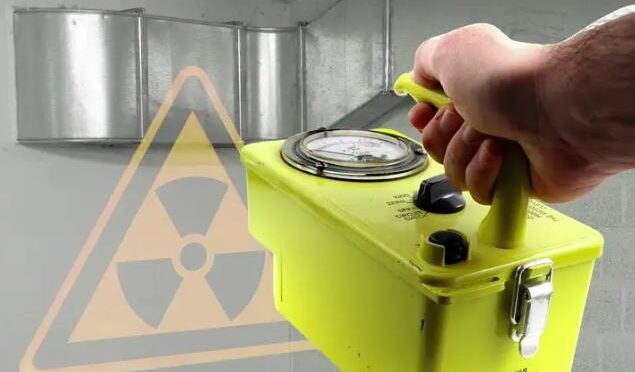
Which Gas Can Cause Lung Cancer When It Seeps Into Homes or Closed Spaces?

Lung cancer remains one of the most common and deadly cancers worldwide. While smoking is the leading cause, many people are unaware that exposure to certain environmental gases can also significantly increase the risk of developing this disease. One of the most dangerous and often overlooked of these gases is radon — a naturally occurring, colorless, and odorless radioactive gas that can accumulate indoors.

Understanding which gas can cause lung cancer when it seeps into homes or closed spaces is crucial for protecting your health and your family’s well-being. This article explores radon gas in depth — from its causes and symptoms to prevention and treatment — and provides clear, evidence-based information to help you make informed decisions about your home and health.

Definition and Overview

Radon is a radioactive gas produced naturally when uranium, thorium, or radium break down in soil, rock, and water. It seeps through cracks in the ground and can accumulate in enclosed spaces like basements, crawl spaces, or poorly ventilated rooms. Because it has no color, smell, or taste, people often remain unaware of its presence for years.

Once inhaled, radon’s radioactive particles can damage lung tissue, leading to mutations that cause lung cancer. According to the U.S. Environmental Protection Agency (EPA), radon exposure is the second leading cause of lung cancer after smoking and the leading cause among non-smokers.

Types

While radon gas itself is a single element, exposure levels and risks vary based on:

  1. Residential Radon Exposure – Occurs when radon seeps into homes from the ground, particularly in basements or lower floors.
  2. Occupational Radon Exposure – Common among workers in mines, caves, or water treatment facilities.
  3. Environmental Radon Exposure – Found in outdoor air but typically at much lower concentrations.

Causes and Risk Factors

Radon enters buildings through:

  • Cracks in foundations, floors, and walls
  • Gaps around service pipes and cables
  • Openings around sump pumps or drains
  • Construction joints or porous building materials

Risk factors for lung cancer from radon exposure include:

  • Living in areas with high natural uranium levels
  • Poor ventilation or airtight homes
  • Smoking (which multiplies the risk significantly)
  • Spending prolonged periods indoors
  • Older or poorly maintained homes

Symptoms and Early Warning Signs

Radon exposure itself does not cause immediate symptoms, making it especially dangerous. However, long-term exposure increases the risk of lung cancer, which may present with:

  • Persistent cough or hoarseness
  • Shortness of breath
  • Chest pain or tightness
  • Coughing up blood
  • Fatigue and unexplained weight loss

Because symptoms usually appear only in later stages, regular radon testing and early medical checkups are vital.

Diagnosis

Diagnosis of radon-related lung cancer follows the same process as other forms of lung cancer:

  1. Medical History and Physical Exam – Includes assessment of exposure risks.
  2. Imaging Tests – Chest X-rays, CT scans, or PET scans to detect tumors or abnormalities.
  3. Biopsy – A sample of lung tissue is taken to confirm cancer.
  4. Radon Testing – Conducted at home using short-term or long-term radon test kits to measure exposure levels.

Treatment Options

Treatment depends on the stage and type of lung cancer, as well as the patient’s overall health. Common options include:

  • Surgery – To remove cancerous lung tissue.
  • Radiation Therapy – To destroy cancer cells using high-energy rays.
  • Chemotherapy – To target cancer cells throughout the body.
  • Targeted Therapy – Drugs that attack specific mutations in cancer cells.
  • Immunotherapy – Boosts the body’s natural defenses against cancer.

An integrated treatment plan is usually developed by oncologists and specialists.

Prevention and Lifestyle Recommendations

Preventing radon exposure is one of the most effective ways to reduce lung cancer risk. Key prevention steps include:

  • Testing Your Home – Use an EPA-approved radon test kit.
  • Sealing Cracks and Openings – Fix foundation cracks and gaps.
  • Improving Ventilation – Increase air circulation, especially in basements.
  • Installing a Radon Mitigation System – Reduces radon levels effectively.
  • Quitting Smoking – Greatly lowers combined risks of radon and tobacco exposure.

Lifestyle habits like maintaining good indoor air quality and regular exercise can also strengthen lung health.

Prognosis and Survival Rates

The prognosis for radon-induced lung cancer depends on how early the cancer is detected. Early-stage cases that are surgically removed often have a five-year survival rate of 55–60%, while advanced stages have lower rates. Regular screening and radon testing can drastically improve outcomes by catching potential issues early.

Latest Research and Innovations

Recent research has focused on genetic susceptibility to radon-induced lung cancer and the development of advanced home detection systems. New AI-powered sensors can now monitor radon continuously, sending alerts via smartphone apps. In medicine, precision oncology and immunotherapies are improving survival rates even for advanced lung cancer patients linked to radon exposure.

Coping and Support for Patients

A lung cancer diagnosis can be emotionally and physically challenging. Support systems play an essential role in recovery:

  • Support Groups and Counseling – Help manage stress and share experiences.
  • Rehabilitation Programs – Focus on breathing exercises and physical recovery.
  • Nutritional Guidance – Strengthens immunity and energy levels.
  • Family Support Networks – Emotional and logistical help during treatment.

Organizations such as the American Lung Association and CancerCare offer resources for patients and caregivers.

Conclusion

So, which gas can cause lung cancer when it seeps into homes or closed spaces? The answer is radon gas — a silent, invisible killer that poses a serious health risk if ignored. Awareness, regular home testing, and preventive actions are the best defenses against its harmful effects. By taking proactive steps today, you can protect your home environment and reduce your long-term risk of lung cancer.

FAQ

1. What is radon gas?
Radon is a radioactive gas formed from the decay of uranium in soil, rock, and water. It can accumulate indoors and cause lung cancer.

2. How can I test my home for radon?
You can purchase a radon test kit online or from hardware stores, or hire a certified professional for testing.

3. What radon level is considered dangerous?
The EPA recommends action if radon levels exceed 4 picocuries per liter (pCi/L) of air.

4. Can radon affect non-smokers?
Yes. Radon is the leading cause of lung cancer among non-smokers.

5. How can I reduce radon levels at home?
Seal cracks, improve ventilation, and install a radon mitigation system to lower indoor levels effectively.
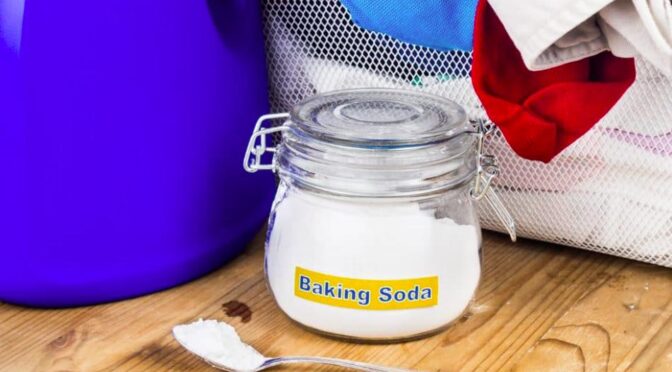
Baking Soda Cancer Cure Testimonials: Causes and Risk Factors

Over the years, there has been a growing interest in unconventional or alternative cancer treatments, one of which involves the use of baking soda. Online discussions and social media platforms are filled with baking soda cancer cure testimonials, with some claiming it has helped them fight or even reverse cancer. These stories often spark hope, curiosity, and controversy among patients seeking natural ways to complement traditional cancer therapies.

However, while many testimonials circulate online, the scientific and medical communities approach these claims with caution. This article explores what baking soda is, how it has been linked to cancer treatments, the risks and benefits associated with its use, and what recent research says about its potential role in cancer care.

Definition and Overview

Baking soda, or sodium bicarbonate, is a common household compound known for its ability to neutralize acids. It’s often used in baking, cleaning, and even minor medical uses like soothing heartburn. The theory behind baking soda cancer cure testimonials is based on the belief that cancer cells thrive in acidic environments, and by consuming baking soda, one can “alkalize” the body to slow or stop cancer growth.

However, this idea oversimplifies the body’s complex pH regulation systems. While baking soda can alter pH levels temporarily in certain body fluids, it cannot significantly change the body’s overall acidity or affect tumors directly.

Types

Baking soda has been used or discussed in various forms for cancer-related purposes:

  1. Oral Consumption: Some people mix baking soda with water and drink it daily.
  2. Intravenous Therapy: In alternative clinics, IV sodium bicarbonate therapy is sometimes offered.
  3. Topical Application: Applied to the skin in cases of surface-level tumors.
  4. Adjunct Use: Combined with diet or detox regimens promoted by alternative practitioners.

Each of these methods appears in different baking soda cancer cure testimonials, though none have been scientifically validated as safe or effective cancer treatments.

Causes and Risk Factors

The rise of baking soda cancer claims can often be traced to misinformation, fear of conventional treatments, or the desire for affordable, non-invasive alternatives. Many testimonials come from individuals seeking hope after standard therapies like chemotherapy or radiation failed to produce desired outcomes. However, relying solely on such methods can delay or replace proven medical treatments, increasing health risks.

Symptoms and Early Warning Signs

The symptoms that often lead people to seek alternative remedies like baking soda include persistent fatigue, unexplained weight loss, pain, and abnormal growths. However, it is crucial to understand that baking soda does not treat these symptoms or cure cancer. Identifying symptoms early and seeking professional medical evaluation remains the most reliable path to effective cancer management.

Diagnosis

Cancer diagnosis should always be performed through medical testing — such as imaging scans, blood tests, and biopsies — under the supervision of licensed healthcare providers. No testimonial or home-based approach can replace professional diagnosis. Baking soda has no diagnostic use in detecting cancer.

Treatment Options

While baking soda cancer cure testimonials often claim success, scientific evidence does not support baking soda as a legitimate cancer treatment. Established medical treatments include:

  • Surgery: Removal of tumors.
  • Chemotherapy: Use of drugs to destroy cancer cells.
  • Radiation therapy: Targeting cancer with controlled radiation.
  • Immunotherapy: Boosting the body’s immune system to fight cancer.
  • Targeted therapy: Drugs that attack specific cancer cell mechanisms.

Some ongoing studies explore whether altering the tumor microenvironment’s pH might affect cancer progression, but baking soda alone has not proven to be a cure.

Prevention and Lifestyle Recommendations

While baking soda is not a cancer cure, adopting healthy habits can help reduce cancer risk:

  • Eat a balanced diet rich in vegetables, fruits, and whole grains.
  • Maintain a healthy weight.
  • Exercise regularly.
  • Avoid tobacco and limit alcohol consumption.
  • Manage stress and ensure regular medical check-ups.

Using baking soda safely — for example, for indigestion or cleaning — is fine, but it should never replace medical care.

Prognosis and Survival Rates

Survival rates depend on cancer type, stage, and treatment. Following evidence-based medicine offers the best chance for recovery. Patients relying on unproven treatments like baking soda may face worsened outcomes due to delayed care. It’s important to discuss any complementary therapy with your doctor to avoid harmful interactions.

Latest Research and Innovations

Recent studies have explored how altering pH levels in the tumor environment might influence cancer cell behavior. Some laboratory research has shown that sodium bicarbonate can affect cancer cell metabolism in controlled conditions, but these findings are preliminary and not yet applicable to human treatment. No clinical trial has proven baking soda as a standalone cancer cure.

However, researchers continue to explore metabolic and microenvironmental approaches to cancer therapy, which may one day yield new treatments inspired by pH modulation — though not through simple baking soda use.

Coping and Support for Patients

Coping with a cancer diagnosis can be emotionally overwhelming. While reading baking soda cancer cure testimonials might offer temporary hope, it’s essential to seek credible sources of information and professional support. Joining cancer support groups, consulting with licensed oncologists, and discussing complementary therapies can help patients make informed, safe choices.

Conclusion

The idea of a simple baking soda cancer cure is appealing because it promises an easy, natural solution to a complex disease. However, current evidence does not support baking soda as an effective cancer treatment. Testimonials may be heartfelt but are not substitutes for scientific validation. The safest and most effective approach remains evidence-based medical care guided by trained healthcare professionals.

FAQ

1. Can baking soda cure cancer?
No. There is no scientific proof that baking soda can cure or shrink cancer.

2. Why do people share baking soda cancer cure testimonials?
People often share personal stories out of hope or belief in alternative healing, but such testimonials lack medical verification.

3. Is it safe to drink baking soda for cancer?
Drinking small amounts occasionally may be safe for heartburn, but excessive intake can cause serious side effects like electrolyte imbalance or kidney problems.

4. Has any research proven baking soda effective against cancer?
No clinical studies have confirmed that baking soda is effective against cancer in humans.

5. What should I do if I want to try alternative treatments?
Always consult your oncologist or healthcare provider before adding any alternative or complementary therapy to your treatment plan.