
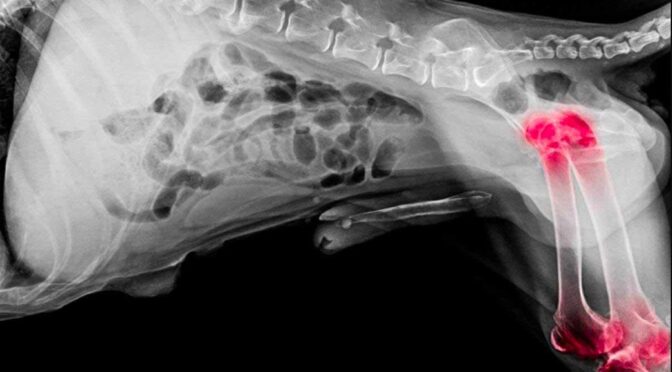
How Is Bone Cancer Diagnosed in Dogs: Causes and Risk Factors

Bone cancer in dogs is one of the most serious conditions that can affect our canine companions. It often progresses rapidly and causes significant pain, making early detection and accurate diagnosis essential for the best possible outcome. As a responsible pet owner, understanding how bone cancer is diagnosed in dogs can make a crucial difference in recognizing warning signs and seeking timely veterinary care.

Bone cancer, also known as osteosarcoma, primarily affects large and giant dog breeds but can occur in any breed or size. Since its symptoms often mimic less severe conditions like arthritis or injury, it’s important to know how veterinarians determine whether a dog’s bone pain is something more serious. This article provides a comprehensive guide to the diagnosis, treatment, and management of bone cancer in dogs, helping you make informed decisions for your pet’s health.

Definition and Overview

Bone cancer in dogs refers to a malignant tumor that originates in the bones. The most common type is osteosarcoma, accounting for nearly 85% of all canine bone tumors. This cancer tends to be aggressive, spreading rapidly to other parts of the body, especially the lungs and other bones.

Osteosarcoma typically affects the long bones of the legs—such as the humerus, radius, femur, and tibia—but can also occur in the jaw, ribs, or spine. Understanding how bone cancer is diagnosed in dogs is crucial because early intervention can significantly improve a dog’s comfort and survival time.

Types

The main types of bone cancer in dogs include:

  1. Osteosarcoma (OSA): The most common and aggressive form, affecting both young and older dogs.
  2. Chondrosarcoma: Originates in cartilage and tends to grow more slowly.
  3. Fibrosarcoma: Develops from fibrous tissue within the bone.
  4. Hemangiosarcoma: Arises from blood vessel cells and can involve bones.
  5. Multilobular Osteochondrosarcoma (MLO): Typically affects the skull and has a mixed bone-cartilage structure.

Causes and Risk Factors

While the exact cause of bone cancer in dogs remains unknown, several risk factors increase susceptibility:

  • Breed and size: Large breeds such as Great Danes, Rottweilers, Greyhounds, and Golden Retrievers are more prone.
  • Age: Most cases occur in middle-aged to older dogs.
  • Previous fractures or bone injuries: Old bone trauma or surgical implants may increase risk.
  • Genetics: Certain hereditary factors may predispose dogs to osteosarcoma.
  • Gender: Males have a slightly higher incidence than females.

Symptoms and Early Warning Signs

Recognizing the early signs is key to timely diagnosis. Common symptoms of bone cancer in dogs include:

  • Persistent limping or lameness
  • Swelling near joints or bones
  • Pain when touching the affected area
  • Reluctance to walk or exercise
  • Loss of appetite and weight loss
  • Lethargy or fatigue
  • In advanced cases, visible lumps or pathological fractures may occur

If your dog shows any of these signs, consult a veterinarian immediately.

Diagnosis

Understanding how bone cancer is diagnosed in dogs involves multiple diagnostic procedures to confirm the disease and rule out other causes. The typical diagnostic steps include:

  1. Physical Examination: The vet checks for swelling, pain, and mobility issues.
  2. X-Rays (Radiographs): Bone cancer often shows a distinct pattern of bone destruction and irregular growth.
  3. CT Scan or MRI: Used to assess tumor size, location, and possible spread to other tissues.
  4. Bone Biopsy: A sample of bone tissue is taken for microscopic examination to confirm cancer type.
  5. Blood Tests: These help evaluate overall health and detect abnormalities linked to cancer.
  6. Chest X-Rays: Performed to check for metastasis in the lungs.

Early and accurate diagnosis ensures that treatment can begin before the cancer spreads further.

Treatment Options

Treatment for bone cancer in dogs typically involves a combination of therapies aimed at controlling pain, slowing cancer growth, and improving quality of life. Common treatments include:

  • Amputation: Removes the affected limb, eliminating the source of pain and disease in most cases.
  • Chemotherapy: Often used after surgery to target remaining cancer cells and prevent spread.
  • Radiation Therapy: Helps relieve pain and control tumor growth.
  • Limb-Sparing Surgery: Preserves the limb by removing only the tumor and affected bone segment.
  • Palliative Care: Focuses on pain management and maintaining comfort for advanced cases.

Prevention and Lifestyle Recommendations

There is no guaranteed way to prevent bone cancer in dogs, but you can reduce risks and promote overall health by:

  • Maintaining a balanced diet and healthy weight
  • Providing regular exercise without overstraining bones
  • Scheduling routine veterinary check-ups
  • Monitoring any previous injuries for unusual changes
  • Avoiding unnecessary exposure to environmental toxins

Prognosis and Survival Rates

The prognosis for dogs with bone cancer depends on factors such as tumor location, metastasis, and treatment type. With amputation and chemotherapy, the average survival time is 10–12 months, and about 20% of dogs may live two years or longer. Without treatment, most dogs survive only a few months due to rapid disease progression.

Latest Research and Innovations

Recent advances in veterinary oncology have improved outcomes for dogs with bone cancer. Research into targeted therapies, immunotherapy, and novel pain management drugs offers hope for extending survival and improving quality of life. Clinical trials are ongoing to develop safer, more effective treatments with fewer side effects.

Coping and Support for Patients

Caring for a dog with bone cancer is emotionally challenging. Support from veterinary professionals, pet support groups, and online communities can help owners manage both practical and emotional aspects of the journey. Prioritize your dog’s comfort, provide pain relief, and focus on maintaining daily joy and bonding moments.

Conclusion

Understanding how bone cancer is diagnosed in dogs empowers pet owners to take early and decisive action. Through timely diagnosis, modern treatment options, and compassionate care, dogs with bone cancer can still experience meaningful, comfortable lives. Always work closely with your veterinarian to determine the best plan tailored to your dog’s condition and needs.

FAQ

1. What is the first sign of bone cancer in dogs?
The first noticeable sign is usually persistent lameness or limping that doesn’t improve with rest or medication.

2. Can bone cancer in dogs be cured?
While a complete cure is rare, early diagnosis and treatment can extend survival and improve quality of life.

3. How do vets confirm bone cancer?
Veterinarians confirm it through imaging tests such as X-rays or CT scans, followed by a bone biopsy for definitive diagnosis.

4. Does bone cancer spread quickly in dogs?
Yes, osteosarcoma tends to spread rapidly, often reaching the lungs or other bones early in the disease.

5. What breeds are most at risk of bone cancer?
Large and giant breeds like Great Danes, Rottweilers, and Irish Wolfhounds are more commonly affected.

6. How can I support my dog with bone cancer?
Follow your vet’s treatment plan, manage pain effectively, ensure comfort, and provide emotional support through love and companionship.

Is Stage 4 Kidney Cancer Terminal? Causes and Risk Factors

Hearing the diagnosis of stage 4 kidney cancer can be overwhelming for patients and their families. Many immediately wonder: is stage 4 kidney cancer terminal? While this stage represents the most advanced form of the disease, it doesn’t always mean that there is no hope. Advances in medical research and treatments have improved both survival rates and quality of life for patients living with advanced kidney cancer.

Understanding what stage 4 kidney cancer truly means—its symptoms, treatment options, and prognosis—can help patients make informed decisions and maintain optimism during their cancer journey. This article explores in detail whether stage 4 kidney cancer is terminal, the available therapies, and what patients can do to manage the condition effectively.

Definition and Overview

Stage 4 kidney cancer—also known as metastatic renal cell carcinoma (mRCC)—occurs when cancer cells have spread beyond the kidney to distant organs such as the lungs, bones, liver, or brain. At this stage, the disease is considered advanced because it can no longer be treated with surgery alone.

While stage 4 cancer is often serious, it is not necessarily “terminal” in every case. With the development of targeted therapy, immunotherapy, and clinical trials, many patients now live longer and experience better outcomes than in the past.

Types

There are several types of kidney cancer that may progress to stage 4:

  1. Renal Cell Carcinoma (RCC): The most common type, originating in the kidney’s filtering units (nephrons).
  2. Transitional Cell Carcinoma: Begins in the renal pelvis where the kidney meets the ureter.
  3. Wilms Tumor: Typically affects children and has a distinct treatment approach.
  4. Papillary and Chromophobe RCC: Less common subtypes with unique biological characteristics.

Understanding the type of kidney cancer helps determine the best treatment and prognosis at stage 4.

Causes and Risk Factors

The exact cause of kidney cancer remains unclear, but several risk factors increase the likelihood of developing it:

  • Smoking: One of the leading preventable causes of kidney cancer.
  • Obesity: Increases hormonal and metabolic changes linked to tumor growth.
  • High blood pressure: Long-term hypertension is associated with higher cancer risk.
  • Family history and genetics: Inherited conditions like von Hippel-Lindau disease raise susceptibility.
  • Occupational exposure: Contact with certain industrial chemicals or asbestos can increase risk.

Though these factors contribute to cancer development, not all who have them will develop the disease.

Symptoms and Early Warning Signs

In its early stages, kidney cancer often causes few or no symptoms. However, as it advances to stage 4, patients may experience:

  • Blood in the urine (hematuria)
  • Persistent pain in the back or side
  • Unexplained weight loss
  • Fatigue and weakness
  • Fever not related to infection
  • Swelling in the ankles or legs
  • Shortness of breath (if cancer spreads to the lungs)

Recognizing these signs early and seeking prompt medical evaluation is crucial for timely intervention.

Diagnosis

Doctors use several tests to diagnose and stage kidney cancer accurately:

  • Imaging tests: CT scans, MRI, and PET scans help identify tumor spread.
  • Blood and urine tests: Detect abnormalities in kidney function.
  • Biopsy: Confirms the presence and type of cancer cells.
  • Bone or brain scans: Used if metastasis is suspected.

Accurate diagnosis helps determine whether stage 4 kidney cancer is terminal and guides treatment planning.

Treatment Options

Treatment for stage 4 kidney cancer focuses on controlling the disease, relieving symptoms, and prolonging life. Common approaches include:

  • Targeted Therapy: Drugs like sunitinib, cabozantinib, or axitinib block cancer growth at the molecular level.
  • Immunotherapy: Medications such as nivolumab or pembrolizumab boost the body’s immune response to cancer.
  • Surgery: In some cases, removing the kidney (nephrectomy) helps reduce tumor burden.
  • Radiation Therapy: Manages pain or symptoms caused by metastases.
  • Clinical Trials: Provide access to emerging therapies and research-based treatments.

The effectiveness of treatment varies, but many patients live several years with the right medical care and lifestyle management.

Prevention and Lifestyle Recommendations

While it’s not always possible to prevent kidney cancer, certain lifestyle changes may reduce risk and support better outcomes:

  • Avoid tobacco and limit alcohol consumption.
  • Maintain a healthy weight through diet and exercise.
  • Manage blood pressure effectively.
  • Eat a balanced diet rich in fruits, vegetables, and lean proteins.
  • Stay hydrated and avoid prolonged exposure to harmful chemicals.

Adopting a healthy lifestyle can enhance overall well-being during and after treatment.

Prognosis and Survival Rates

The prognosis for stage 4 kidney cancer varies depending on factors like the patient’s age, general health, and response to treatment. Historically, the five-year survival rate for metastatic kidney cancer was less than 10%. However, recent advancements in targeted and immune-based therapies have significantly improved survival times—some patients now live five to ten years or longer.

While stage 4 kidney cancer is considered life-threatening, it is not automatically terminal. Each patient’s outcome depends on individual circumstances and treatment response.

Latest Research and Innovations

Recent breakthroughs in oncology research are changing the outlook for kidney cancer patients. Combination therapies—such as immunotherapy plus targeted agents—show promising results in extending survival and reducing tumor progression. Artificial intelligence and genetic testing are also improving personalized treatment plans, offering more accurate predictions of how patients will respond to specific therapies.

Ongoing clinical trials continue to explore new drug combinations and potential vaccines aimed at stopping cancer growth and recurrence.

Coping and Support for Patients

Living with stage 4 kidney cancer can be emotionally and physically challenging. Support systems play a vital role in maintaining mental health and motivation. Patients are encouraged to:

  • Join cancer support groups or online communities.
  • Seek counseling or therapy to manage anxiety or depression.
  • Communicate openly with healthcare teams about symptoms and concerns.
  • Involve family members and friends in care decisions.

Emotional resilience and strong social connections can make a significant difference in coping with the illness.

Conclusion

So, is stage 4 kidney cancer terminal? While it is the most advanced stage of the disease and often serious, it is not always the end. Thanks to modern medicine, many patients live longer and more meaningful lives than ever before. Early diagnosis, access to innovative treatments, and comprehensive support can transform what was once considered terminal into a manageable, chronic condition.

FAQ

1. Can stage 4 kidney cancer be cured?
A complete cure is rare, but treatment can slow progression and improve quality of life.

2. How long can someone live with stage 4 kidney cancer?
Survival varies; some patients live several years with advanced therapies and good medical care.

3. What is the best treatment for stage 4 kidney cancer?
Combination therapies using immunotherapy and targeted drugs currently offer the best outcomes.

4. Is surgery an option for stage 4 kidney cancer?
Yes, surgery may help in selected cases to reduce tumor size or relieve symptoms.

5. What lifestyle changes help manage kidney cancer?
Healthy eating, regular exercise, quitting smoking, and stress management can all contribute to better outcomes.