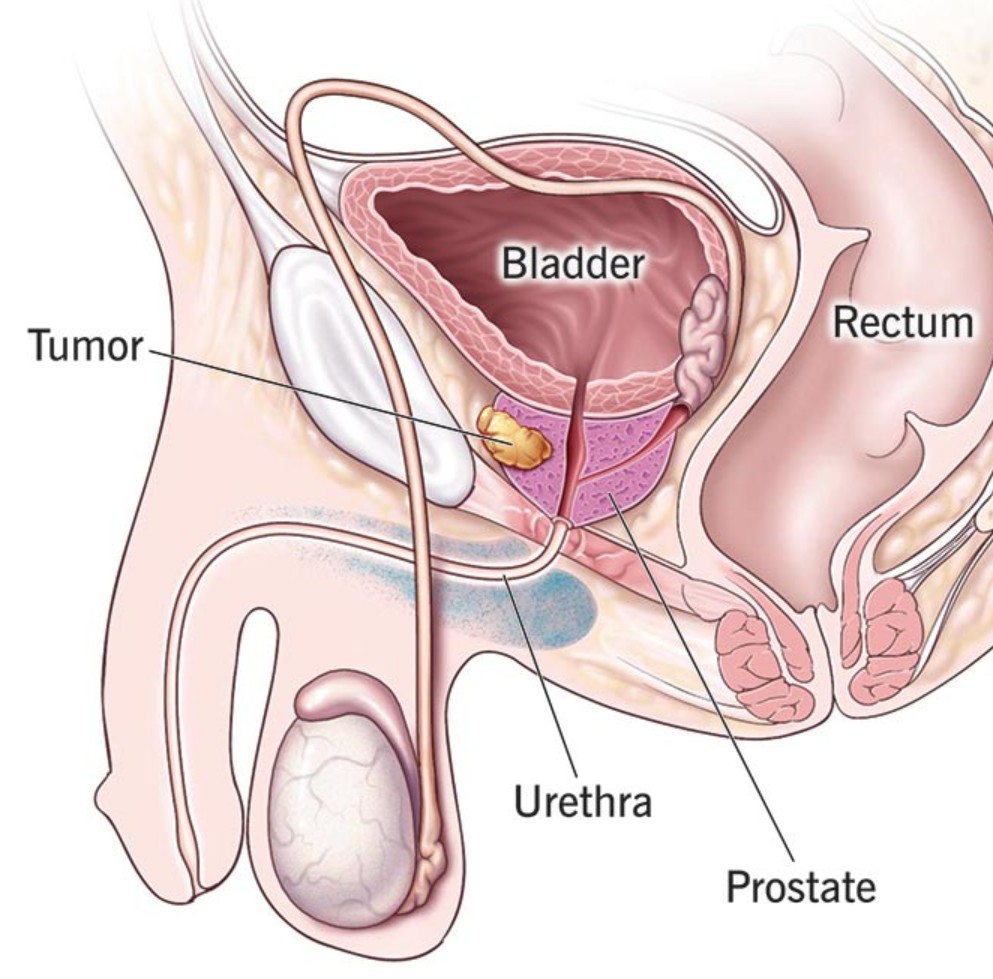
Prostate cancer is one of the most common cancers affecting men worldwide, and when it progresses to an advanced stage, it can spread beyond the prostate gland to other parts of the body. This stage is known as metastatic prostate cancer. For many men and their families, receiving this diagnosis can be overwhelming, as it raises concerns about treatment options, quality of life, and survival.
Fortunately, advances in medical science have provided several effective approaches to managing metastatic prostate cancer. From hormone therapy and chemotherapy to cutting-edge targeted treatments, patients today have access to more personalized care. Understanding metastatic prostate cancer treatment, along with its causes, symptoms, and prognosis, is crucial for making informed decisions.
Definition and Overview
Metastatic prostate cancer occurs when cancer cells from the prostate gland spread to distant organs such as bones, lymph nodes, lungs, or liver. Unlike localized prostate cancer, which is confined to the gland, metastatic disease requires more comprehensive management. The main goal of metastatic prostate cancer treatment is not just to extend survival but also to maintain quality of life by reducing symptoms and slowing disease progression.
This stage is often classified as advanced prostate cancer, and it can occur even years after initial treatment of localized disease. The spread of cancer cells typically follows a predictable pattern, with bones being the most common site of metastasis.
Types
There are different types of metastatic prostate cancer, often categorized based on how the cancer cells behave and respond to treatment:
- Hormone-sensitive metastatic prostate cancer (mHSPC): Responds well to therapies that lower testosterone, as the cancer cells depend on androgens to grow.
- Castration-resistant metastatic prostate cancer (mCRPC): Progresses despite low testosterone levels and requires more advanced treatment approaches.
- Bone-dominant metastases: Cancer spreads primarily to bones, leading to pain and fractures.
- Visceral metastases: Cancer spreads to organs such as the liver or lungs, often indicating more aggressive disease.
Causes and Risk Factors
While the exact cause of prostate cancer metastasis is not fully understood, several risk factors increase the likelihood of progression:
- Genetics: Family history and inherited mutations (e.g., BRCA1, BRCA2) can raise risk.
- Age: The risk increases significantly after age 65.
- Race and ethnicity: African American men have a higher risk of aggressive prostate cancer.
- Lifestyle: Diets high in red meat and low in vegetables may contribute.
- Previous cancer stage: Patients diagnosed with advanced local disease are at higher risk of developing metastases.
Symptoms and Early Warning Signs
Symptoms of metastatic prostate cancer can vary depending on where the cancer spreads. Common signs include:
- Persistent bone pain, particularly in the hips, spine, or ribs
- Unexplained weight loss and fatigue
- Difficulty urinating or blood in urine
- Swelling in the legs due to lymph node involvement
- Shortness of breath if cancer spreads to the lungs
Recognizing these early warning signs is important to ensure timely diagnosis and treatment.
Diagnosis
Diagnosing metastatic prostate cancer involves a combination of medical tests and imaging. These may include:
- PSA (Prostate-Specific Antigen) test: Elevated levels may indicate cancer spread.
- Biopsy: Confirms cancer type and aggressiveness.
- Imaging scans: Bone scans, CT scans, MRI, or PET scans help identify metastatic sites.
- Genetic testing: Determines whether inherited mutations may influence treatment.
Treatment Options
Metastatic prostate cancer treatment is personalized depending on cancer type, spread, and patient health. Common approaches include:
- Hormone therapy (Androgen Deprivation Therapy): Reduces testosterone to slow cancer growth.
- Chemotherapy: Drugs like docetaxel target rapidly dividing cancer cells.
- Targeted therapy: PARP inhibitors for patients with specific genetic mutations.
- Immunotherapy: Boosts the immune system to attack cancer cells.
- Radiation therapy: Controls bone pain and reduces tumor size in specific areas.
- Bone-targeting agents: Bisphosphonates or denosumab prevent fractures and strengthen bones.
Often, a combination of these therapies is used to improve effectiveness and extend survival.
Prevention and Lifestyle Recommendations
While metastatic prostate cancer cannot always be prevented, adopting healthy lifestyle practices may lower risk and support treatment outcomes:
- Maintain a balanced diet rich in fruits, vegetables, and whole grains.
- Exercise regularly to strengthen bones and improve energy.
- Avoid smoking and limit alcohol consumption.
- Manage chronic conditions such as diabetes and hypertension.
- Get regular prostate cancer screenings, especially if at higher risk.
Prognosis and Survival Rates
The prognosis for metastatic prostate cancer varies depending on how advanced the disease is and how well it responds to treatment. While it is not usually curable, effective metastatic prostate cancer treatment can significantly extend survival. On average, men with bone-only metastases have better outcomes than those with visceral metastases. Survival rates continue to improve with advancements in targeted therapies and precision medicine.
Latest Research and Innovations
Recent research in metastatic prostate cancer treatment has led to breakthroughs that offer new hope:
- Next-generation hormone therapies such as enzalutamide and abiraterone.
- Precision medicine approaches targeting genetic mutations like BRCA.
- PSMA-targeted radioligand therapy that delivers radiation directly to cancer cells.
- Immunotherapy combinations being studied in clinical trials for resistant cases.
These innovations are expanding the range of treatment options and improving long-term outcomes.
Coping and Support for Patients
Living with metastatic prostate cancer requires more than just medical care. Emotional, psychological, and social support are equally important. Patients may benefit from:
- Joining prostate cancer support groups.
- Seeking counseling or mental health therapy.
- Engaging in open communication with family and caregivers.
- Exploring palliative care services for symptom management and comfort.
Holistic support plays a vital role in improving quality of life throughout the treatment journey.
Conclusion
Metastatic prostate cancer is a complex condition that requires comprehensive care. While it may not be curable, effective metastatic prostate cancer treatment options are available to slow progression, manage symptoms, and extend life expectancy. Advances in research continue to provide new hope for patients and their families.
By staying informed about treatment options, adopting a healthy lifestyle, and seeking emotional support, patients can navigate this challenging diagnosis with resilience. With the right care and resources, living a fulfilling life while managing metastatic prostate cancer is possible.