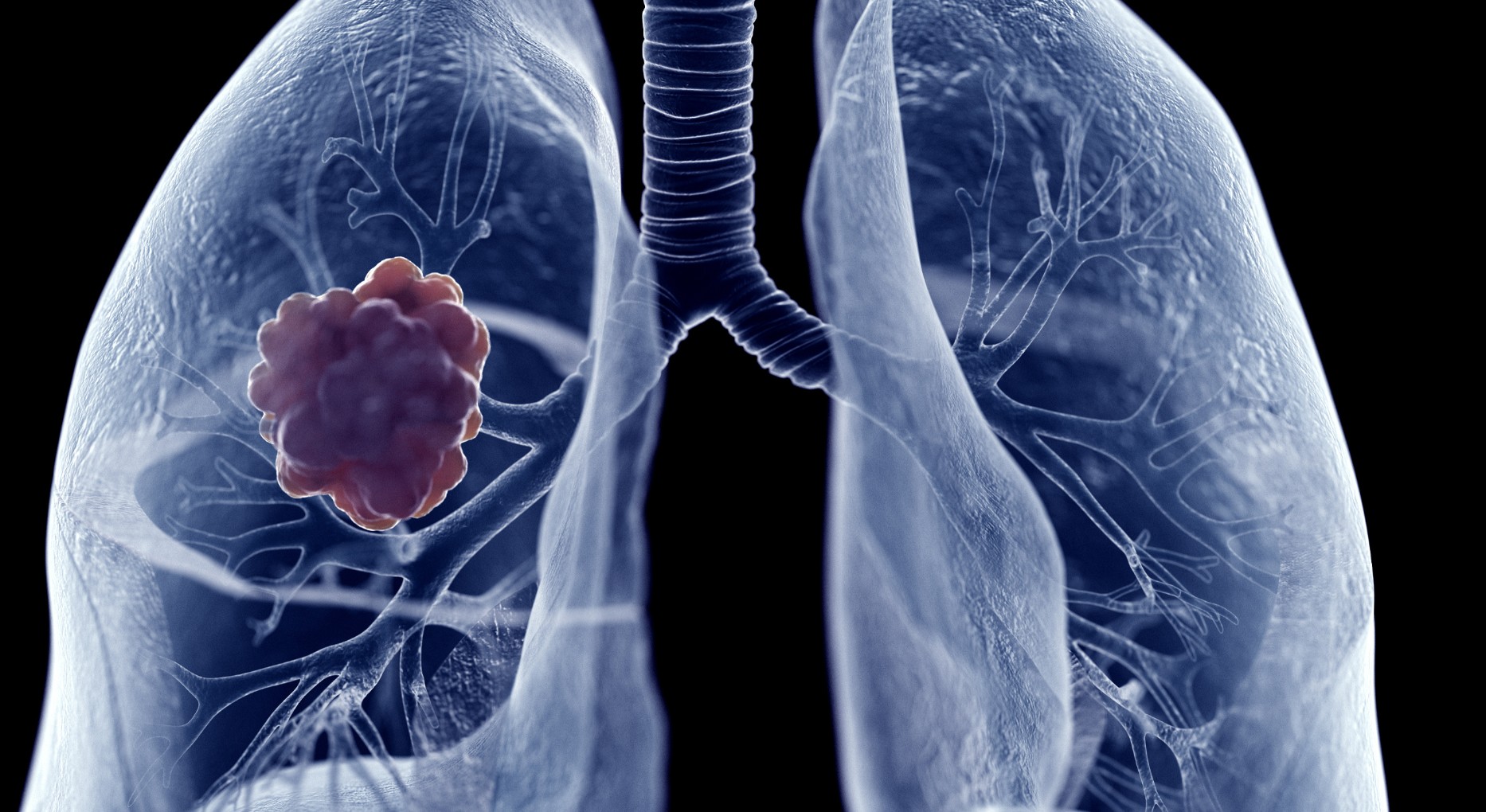
Lung cancer is one of the leading causes of cancer-related deaths worldwide, but not all cases follow the same pattern. Among the different types, atypical lung cancer refers to rare or less common forms that do not fit neatly into the traditional categories of small cell or non-small cell lung cancer. These cancers often present unique challenges in diagnosis, treatment, and patient care.
Understanding atypical lung cancer is essential for both patients and healthcare providers. Because its symptoms and progression can be different from more common lung cancers, timely recognition and specialized treatment are critical. In this article, we will explore the definition, causes, symptoms, diagnostic methods, treatment options, prognosis, and the latest research on atypical lung cancer, providing a comprehensive guide for readers seeking reliable information.
Definition and Overview
Atypical lung cancer is a broad term used to describe lung tumors that show unusual cell growth patterns or histological features. These cancers may not fall strictly into the categories of small cell lung cancer (SCLC) or non-small cell lung cancer (NSCLC). Instead, they include rare subtypes such as atypical carcinoid tumors, sarcomatoid carcinomas, and other uncommon malignancies.
What makes atypical lung cancer distinct is its unpredictable behavior. Some cases may grow slowly, while others spread aggressively. Because of this, accurate diagnosis and personalized treatment are crucial. The rarity of these cancers also means that clinical studies are limited, making management more complex compared to common lung cancers.
Types
Several types of atypical lung cancer exist, including:
- Atypical carcinoid tumors – Neuroendocrine tumors that are less aggressive than small cell lung cancer but more serious than typical carcinoids.
- Sarcomatoid carcinoma – A rare, aggressive form of NSCLC that contains features of both carcinoma and sarcoma.
- Adenosquamous carcinoma – A hybrid type showing both adenocarcinoma and squamous cell carcinoma features.
- Large cell neuroendocrine carcinoma – A rare but highly aggressive subtype that shares similarities with small cell carcinoma.
Each type requires specialized testing and treatment due to differences in progression and response to therapies.
Causes and Risk Factors
The exact causes of atypical lung cancer are still being studied, but several factors are known to increase risk:
- Smoking – The leading cause of most lung cancers, including atypical types.
- Secondhand smoke exposure – Increases risk even in non-smokers.
- Genetic predisposition – Certain inherited mutations may contribute.
- Environmental exposures – Radon gas, asbestos, and industrial chemicals.
- Chronic lung diseases – Conditions like COPD and pulmonary fibrosis may raise risk.
While smoking remains the most significant factor, atypical lung cancer can also occur in non-smokers, particularly in cases linked to genetics or environmental toxins.
Symptoms and Early Warning Signs
Atypical lung cancer may present differently compared to common types, but key symptoms include:
- Persistent cough that does not go away
- Shortness of breath or wheezing
- Chest pain or discomfort
- Coughing up blood (hemoptysis)
- Unexplained weight loss and fatigue
- Recurring respiratory infections
Because these symptoms can mimic other lung conditions, early detection is often delayed. Anyone experiencing persistent respiratory issues should seek medical evaluation promptly.
Diagnosis
Diagnosing atypical lung cancer requires multiple steps, including:
- Imaging tests such as chest X-rays, CT scans, and PET scans to detect abnormal growths.
- Bronchoscopy and biopsy to collect tissue samples for microscopic examination.
- Histopathological analysis to classify the cancer type.
- Molecular and genetic testing to identify mutations that may guide targeted therapy.
Accurate diagnosis is vital to ensure patients receive the most effective treatment plan tailored to their cancer subtype.
Treatment Options
Treatment for atypical lung cancer depends on the subtype, stage, and overall health of the patient. Common options include:
- Surgery – Removal of tumors in early-stage cases.
- Radiation therapy – Used to shrink tumors or relieve symptoms.
- Chemotherapy – Often used for aggressive or advanced cancers.
- Targeted therapy – Drugs designed to attack specific genetic mutations.
- Immunotherapy – Boosts the body’s immune system to fight cancer cells.
A multidisciplinary approach, combining different therapies, is often recommended for optimal outcomes.
Prevention and Lifestyle Recommendations
While not all cases of atypical lung cancer can be prevented, lifestyle changes can lower risk:
- Avoid smoking and exposure to secondhand smoke.
- Test your home for radon gas and take corrective measures if needed.
- Use protective equipment if working around asbestos or other carcinogens.
- Maintain a healthy diet and regular exercise routine to strengthen immunity.
- Schedule regular medical checkups, especially if you have a family history of lung cancer.
Prognosis and Survival Rates
The prognosis for atypical lung cancer varies greatly depending on the subtype and stage at diagnosis. For example, atypical carcinoid tumors generally have a better survival rate compared to aggressive types like sarcomatoid carcinoma. Early detection improves outcomes significantly.
Overall survival rates for atypical lung cancer tend to be lower than for more common forms due to late diagnosis and limited treatment data. However, advancements in targeted therapies and immunotherapy are improving patient survival and quality of life.
Latest Research and Innovations
Ongoing research is expanding treatment options for atypical lung cancer, including:
- Next-generation sequencing (NGS) to identify mutations for personalized therapy.
- New immunotherapy drugs that improve survival in aggressive cases.
- Clinical trials exploring combination treatments for rare subtypes.
- Artificial intelligence in radiology to enhance early detection.
These innovations provide hope for more effective management and improved prognosis in the coming years.
Coping and Support for Patients
Living with atypical lung cancer can be emotionally and physically challenging. Patients are encouraged to:
- Join support groups to connect with others facing similar experiences.
- Seek counseling or therapy to manage stress and anxiety.
- Discuss palliative care options to improve quality of life when needed.
- Involve family members in care decisions for emotional support.
Accessing both medical and emotional support plays a crucial role in coping with the challenges of this rare cancer.
Conclusion
Atypical lung cancer may be rare, but it requires awareness, timely diagnosis, and personalized treatment to ensure the best possible outcomes. With its diverse subtypes and unpredictable behavior, patients must work closely with healthcare providers to create tailored treatment strategies.
Advances in research, particularly in targeted therapies and immunotherapy, are improving survival rates and offering new hope. By understanding the symptoms, risk factors, and treatment approaches, individuals can take proactive steps toward early detection and better management of atypical lung cancer.
FAQ
1. What is atypical lung cancer?
Atypical lung cancer refers to rare subtypes of lung tumors that do not fit standard categories like small cell or non-small cell lung cancer.
2. Is atypical lung cancer curable?
Cure is possible in some cases, especially when detected early and treated with surgery or combined therapies. Advanced cases are harder to cure but may be managed effectively.
3. Who is most at risk for atypical lung cancer?
Smokers, individuals with a family history of lung cancer, and those exposed to carcinogens such as asbestos or radon are at higher risk.
4. How is atypical lung cancer diagnosed?
Diagnosis involves imaging scans, biopsies, and genetic testing to determine the specific subtype and best treatment options.
5. What are the treatment options for atypical lung cancer?
Treatment may include surgery, chemotherapy, radiation therapy, immunotherapy, or targeted therapy, depending on the type and stage.