
All posts by Husen

Head and Neck Cancer Symptoms: Causes and Risk Factors

Head and neck cancers are a group of cancers that begin in the mouth, throat, voice box, sinuses, and other related areas. They account for a significant percentage of cancer diagnoses worldwide and are often linked to lifestyle factors such as tobacco and alcohol use. Because early detection plays a crucial role in treatment success, understanding head and neck cancer symptoms is vital.

Unfortunately, many early signs can be mistaken for common health problems like infections, allergies, or dental issues. This often leads to delays in seeking medical attention. By learning more about head and neck cancer symptoms, causes, and treatment options, you can be better prepared to recognize potential warning signs and take timely action.

Definition and Overview

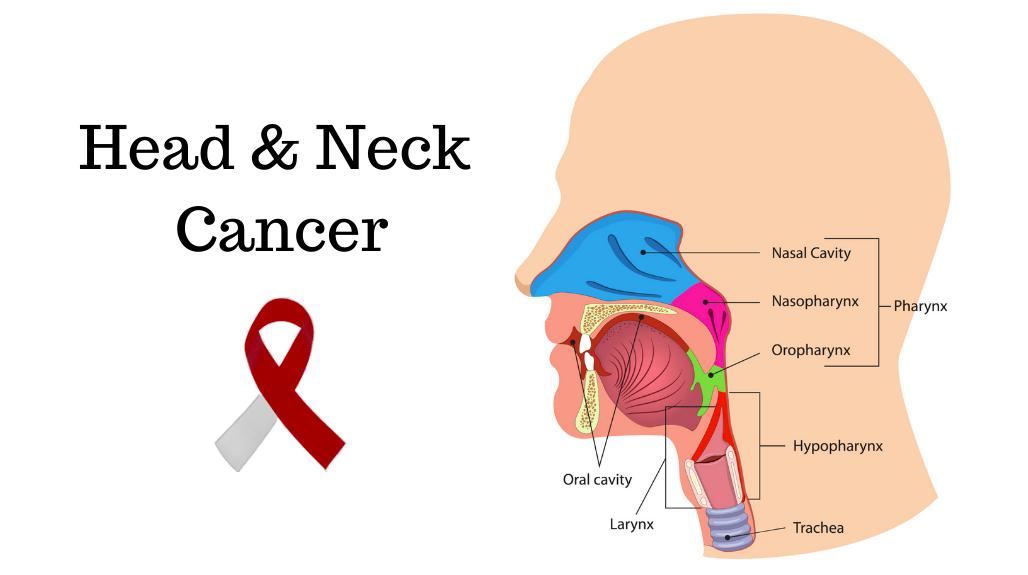
Head and neck cancer refers to malignant growths that develop in or around the throat, larynx, nose, sinuses, and mouth. These cancers often arise from the squamous cells that line the moist surfaces in these regions. They can grow locally and, if left untreated, spread to nearby lymph nodes or distant organs.

Types

Head and neck cancers are classified based on their origin:

  • Oral cancer: Affects the lips, tongue, gums, and inner lining of the cheeks.
  • Oropharyngeal cancer: Involves the tonsils, soft palate, and back of the tongue.
  • Laryngeal cancer: Develops in the voice box.
  • Hypopharyngeal cancer: Found in the lower part of the throat.
  • Nasopharyngeal cancer: Starts behind the nose and above the back of the throat.
  • Paranasal sinus and nasal cavity cancer: Affects the air-filled spaces around the nose.
  • Salivary gland cancer: Occurs in the glands that produce saliva.

Causes and Risk Factors

Several factors can increase the risk of developing head and neck cancer:

  • Tobacco use (cigarettes, cigars, smokeless tobacco)
  • Excessive alcohol consumption
  • Human papillomavirus (HPV) infection
  • Poor oral hygiene
  • Exposure to harmful chemicals or asbestos
  • Family history of cancer
  • Chronic acid reflux (GERD)
  • Weakened immune system

Symptoms and Early Warning Signs

Recognizing head and neck cancer symptoms early can save lives. Common warning signs include:

  • Persistent sore throat
  • Hoarseness or voice changes
  • Unexplained lumps in the neck or mouth
  • Difficulty swallowing or chewing
  • Ear pain or ringing
  • Nosebleeds or nasal congestion
  • Non-healing mouth ulcers
  • Unexplained weight loss
  • Swelling in the jaw or face
  • Numbness in parts of the face

If these symptoms last more than two weeks, medical evaluation is essential.

Diagnosis

Doctors use a combination of methods to diagnose head and neck cancer:

  • Physical examination of the mouth, throat, and neck
  • Imaging tests such as MRI, CT scans, and PET scans
  • Endoscopy for detailed throat examination
  • Biopsy to confirm cancer presence
  • HPV testing for certain throat cancers

Treatment Options

Treatment depends on cancer type, location, and stage. Common approaches include:

  • Surgery to remove tumors
  • Radiation therapy to target cancer cells
  • Chemotherapy for advanced or spread cases
  • Targeted therapy that attacks specific cancer cell mechanisms
  • Immunotherapy to boost the body’s defense system
  • Rehabilitation for speech, swallowing, and physical recovery

Prevention and Lifestyle Recommendations

While not all cases can be prevented, healthy choices reduce risks:

  • Quit smoking and avoid all tobacco products
  • Limit alcohol consumption
  • Maintain good oral hygiene
  • Get HPV vaccination
  • Eat a balanced diet rich in fruits and vegetables
  • Protect yourself from occupational exposure to harmful chemicals

Prognosis and Survival Rates

Prognosis varies depending on cancer stage, type, and patient health. Early-stage head and neck cancers have higher survival rates, often exceeding 70%. However, advanced stages are more difficult to treat. Regular screening and prompt treatment improve chances of recovery.

Latest Research and Innovations

Ongoing research focuses on:

  • HPV-related cancer therapies
  • Minimally invasive surgical techniques
  • Personalized medicine with genetic profiling
  • Advanced radiation methods that reduce side effects
  • New immunotherapies and targeted drugs

These innovations are improving treatment outcomes and reducing complications.

Coping and Support for Patients

Dealing with head and neck cancer symptoms and treatment can be overwhelming. Support systems are crucial:

  • Counseling and mental health support
  • Speech and swallowing therapy
  • Nutrition guidance
  • Cancer support groups
  • Family and caregiver involvement

Conclusion

Head and neck cancer symptoms can be subtle, but early recognition and timely treatment make a huge difference. Understanding risk factors, seeking medical advice when symptoms persist, and adopting preventive measures are essential for better outcomes. Advances in treatment continue to improve survival rates, giving patients more hope and support than ever before.

FAQ

What are the first signs of head and neck cancer?
Common early signs include persistent sore throat, hoarseness, unexplained lumps, and difficulty swallowing.

Is head and neck cancer curable?
Yes, especially when diagnosed early. Surgery, radiation, and targeted therapies can be highly effective.

Who is at the highest risk for head and neck cancer?
Smokers, heavy alcohol users, and individuals with HPV infection face the highest risk.

Can head and neck cancer come back after treatment?
Yes, recurrence is possible, which is why regular follow-up care is important.

How can I reduce my risk of developing head and neck cancer?
Avoid tobacco and alcohol, maintain oral hygiene, get vaccinated against HPV, and practice healthy lifestyle habits.
Hot Flashes Symptoms of Cancer: Causes and Risk Factors

Hot flashes are often associated with hormonal changes, particularly in women during menopause. However, many people are surprised to learn that hot flashes can also be linked to certain types of cancer or cancer treatments. While not always a direct symptom of cancer itself, hot flashes may serve as a warning sign that should not be ignored.

Understanding the relationship between hot flashes and cancer can help patients recognize early warning signs, seek medical advice sooner, and manage symptoms more effectively. This article explores the connection between hot flashes symptoms of cancer, their causes, diagnosis, and treatment options, while also offering coping strategies and prevention tips.

Definition and Overview

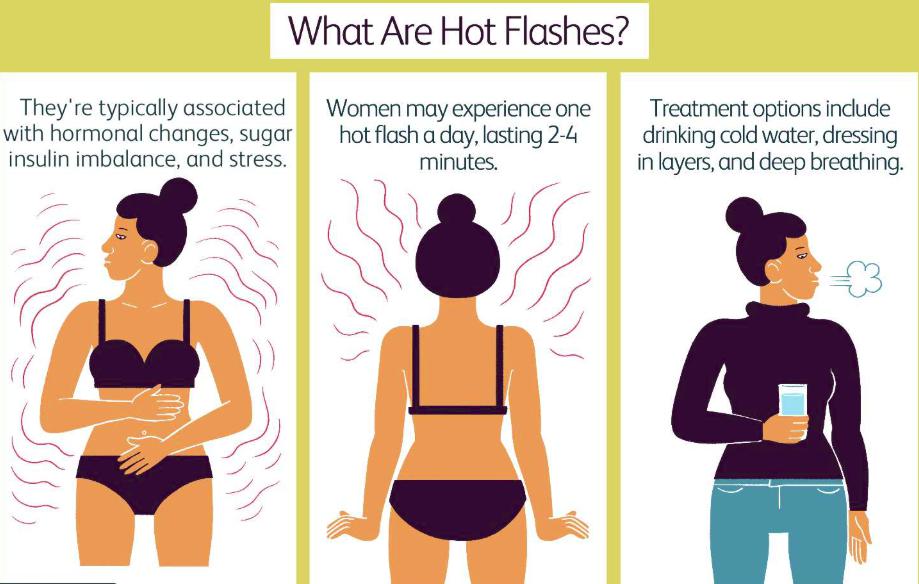
Hot flashes are sudden feelings of warmth, often accompanied by sweating, flushing, and sometimes rapid heartbeat. They are typically triggered by hormonal fluctuations, but in some cases, they can be associated with cancer or its treatment. When considering hot flashes symptoms of cancer, it is important to note that they may occur due to tumors affecting hormone regulation, or as side effects of therapies such as chemotherapy, hormone therapy, or radiation.

Types

There are different types of hot flashes related to cancer and its treatment:

  • Hormone-related hot flashes: Caused by tumors that interfere with hormone balance or endocrine function.
  • Treatment-induced hot flashes: Often occur in patients undergoing chemotherapy, hormone therapy (like tamoxifen or androgen deprivation therapy), or radiation.
  • Secondary hot flashes: Triggered by medications or the stress response associated with cancer.

Causes and Risk Factors

The causes of hot flashes symptoms of cancer vary depending on the condition:

  • Hormone-sensitive cancers such as breast, prostate, and ovarian cancers.
  • Cancer treatments that reduce estrogen or testosterone levels.
  • Medications that disrupt hormonal balance.
  • Risk factors include being over 40, undergoing hormone-related cancer treatment, or having a family history of cancer.

Symptoms and Early Warning Signs

Hot flashes associated with cancer may differ slightly from those linked to menopause. Key symptoms include:

  • Sudden intense heat in the face, chest, or upper body.
  • Excessive sweating, especially at night (night sweats).
  • Flushing or reddening of the skin.
  • Rapid or irregular heartbeat.
  • Dizziness or anxiety during episodes.

When hot flashes occur frequently, at unusual times, or in individuals not typically prone to them, they may point to an underlying medical condition including cancer.

Diagnosis

Diagnosing hot flashes symptoms of cancer involves a thorough evaluation:

  • Medical history review to determine frequency, duration, and triggers.
  • Blood tests to check hormone levels.
  • Imaging tests (CT scans, MRIs, or ultrasounds) to detect tumors affecting endocrine glands.
  • Cancer screening tests based on risk factors and age.

Treatment Options

Managing hot flashes linked to cancer depends on the underlying cause:

  • Medications: Hormone therapy, antidepressants, or nerve blockers may help.
  • Cancer treatment adjustments: Doctors may modify chemotherapy or hormone therapy to reduce hot flashes.
  • Alternative therapies: Acupuncture, relaxation techniques, and herbal remedies (under medical guidance).
  • Lifestyle changes: Cooling techniques, stress management, and avoiding hot flash triggers.

Prevention and Lifestyle Recommendations

While not all hot flashes can be prevented, certain lifestyle changes may help reduce their severity:

  • Maintain a healthy weight and balanced diet.
  • Avoid alcohol, caffeine, and spicy foods that may trigger hot flashes.
  • Practice relaxation techniques such as yoga, meditation, or deep breathing.
  • Keep sleeping environments cool to manage night sweats.
  • Stay hydrated and exercise regularly.

Prognosis and Survival Rates

Hot flashes symptoms of cancer are not life-threatening by themselves, but they may indicate an underlying cancer that requires immediate attention. Prognosis depends on the type and stage of cancer, response to treatment, and overall health. Early detection improves survival rates and helps manage symptoms effectively.

Latest Research and Innovations

Recent studies are exploring targeted therapies to minimize treatment-induced hot flashes without compromising cancer care. Advances in hormone regulation, non-hormonal drugs, and integrative medicine are offering new hope for patients experiencing hot flashes symptoms of cancer. Clinical trials continue to investigate safer, more effective methods to reduce these discomforts.

Coping and Support for Patients

Coping with hot flashes can be challenging, especially when combined with cancer treatment side effects. Patients benefit from:

  • Support groups and counseling.
  • Open communication with healthcare providers.
  • Practical strategies like layered clothing, portable fans, and relaxation exercises.
  • Professional guidance on dietary and lifestyle adjustments.

Conclusion

Hot flashes symptoms of cancer can serve as important warning signs or treatment side effects. Recognizing them, seeking timely medical evaluation, and adopting effective management strategies can make a significant difference in quality of life. With ongoing research and supportive care, patients can better manage hot flashes and focus on recovery and well-being.

FAQ

Are hot flashes always a sign of cancer?
No, hot flashes are most commonly linked to menopause or hormonal changes, but in some cases, they may be related to cancer or its treatment.

Which cancers are most associated with hot flashes?
Breast cancer, prostate cancer, and ovarian cancer are among the most commonly linked to hot flashes.

Can hot flashes go away after cancer treatment ends?
Yes, in many cases hot flashes improve after treatment, though some patients may experience long-term symptoms.

What should I do if I experience frequent hot flashes with no clear cause?
Consult a healthcare professional to rule out underlying conditions, including cancer.

Are there natural remedies for hot flashes symptoms of cancer?
Yes, lifestyle changes, cooling techniques, and stress management may help, but always discuss alternatives with a doctor before trying them.