
All posts by Husen

Can Skin Cancer Kill You? Causes and Risk Factors

When people hear the term “skin cancer,” one of the first questions that often comes to mind is: can skin cancer kill you? The short answer is yes, in certain cases, skin cancer can be life-threatening. While many types of skin cancer are highly treatable when detected early, some aggressive forms can spread to other organs and become fatal. This is why awareness, early detection, and proper treatment are critical.

Skin cancer is the most common form of cancer worldwide, affecting millions of people each year. The good news is that with modern medical advances, survival rates have significantly improved. However, ignoring early warning signs or delaying treatment increases the risk of complications. Understanding the types, causes, symptoms, and prevention methods is the key to reducing the dangers of skin cancer.

Definition and Overview

Skin cancer occurs when abnormal cells in the skin grow uncontrollably, often due to DNA damage from ultraviolet (UV) radiation. These malignant cells can form tumors, invade surrounding tissue, and in some cases, spread (metastasize) to other parts of the body. Whether or not skin cancer can kill you depends on the type, severity, and how early it is detected.

Types

There are three main types of skin cancer:

  • Basal Cell Carcinoma (BCC): The most common and least dangerous type. Rarely spreads but can cause disfigurement if untreated.
  • Squamous Cell Carcinoma (SCC): More aggressive than BCC and can spread if neglected.
  • Melanoma: The deadliest form of skin cancer. Though less common, it spreads rapidly and is responsible for most skin cancer deaths.

Causes and Risk Factors

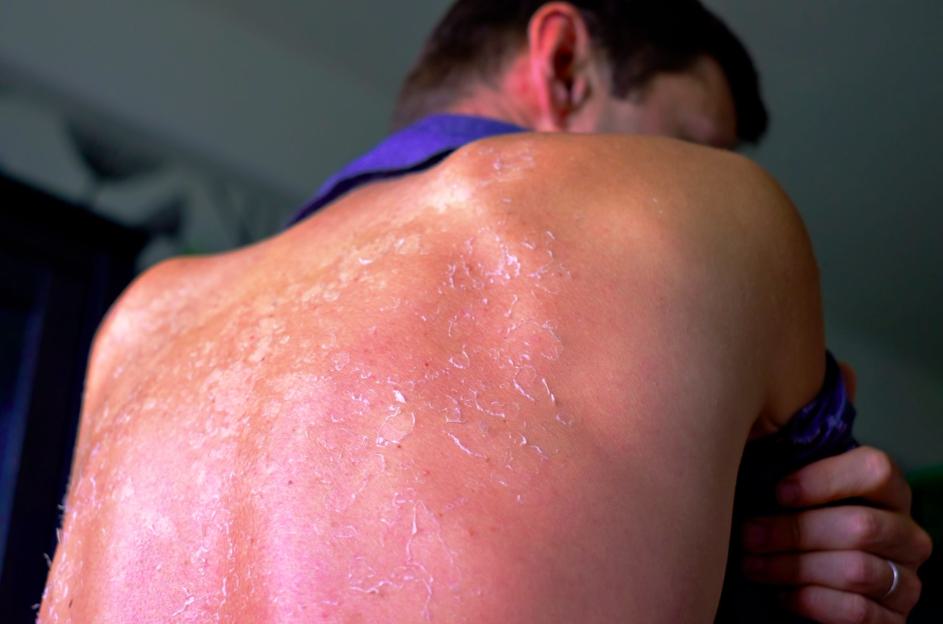
The leading cause of skin cancer is prolonged exposure to UV rays from the sun or tanning beds. Other risk factors include:

  • Fair skin, light eyes, and hair color
  • A history of severe sunburns
  • Family history of skin cancer
  • Weakened immune system
  • Exposure to radiation or toxic chemicals

Symptoms and Early Warning Signs

Recognizing symptoms early can save lives. Warning signs include:

  • A new mole or growth on the skin
  • Changes in size, shape, or color of an existing mole
  • Sores that do not heal
  • Red, scaly, or crusted patches
  • Dark streaks under nails

Remember the ABCDE rule for melanoma: Asymmetry, Border irregularity, Color changes, Diameter larger than 6mm, and Evolving appearance.

Diagnosis

Doctors diagnose skin cancer through:

  • Physical examination of the skin
  • Dermatoscopy (magnified skin analysis)
  • Biopsy (removing a sample for lab testing)
    Early diagnosis plays a major role in determining whether skin cancer can kill you or be effectively treated.

Treatment Options

Treatment depends on the type and stage of cancer:

  • Surgery: Removing cancerous tissue
  • Cryotherapy: Freezing cancer cells
  • Radiation therapy: Using targeted rays to kill cells
  • Chemotherapy: Medications to destroy cancer cells
  • Immunotherapy and targeted therapy: Boosting the immune system or blocking cancer growth

Prevention and Lifestyle Recommendations

To reduce the risk of skin cancer:

  • Use broad-spectrum sunscreen (SPF 30 or higher) daily
  • Wear protective clothing, hats, and sunglasses
  • Avoid tanning beds
  • Seek shade during peak sun hours (10 AM to 4 PM)
  • Perform regular self-exams and schedule yearly dermatology check-ups

Prognosis and Survival Rates

Survival rates vary depending on the type of skin cancer:

  • Basal Cell Carcinoma and Squamous Cell Carcinoma: High survival rates when treated early
  • Melanoma: Five-year survival rate is around 99% if detected early, but drops significantly if it spreads

So, can skin cancer kill you? Yes, but timely detection and treatment drastically lower the risk.

Latest Research and Innovations

Researchers are advancing treatment with:

  • Artificial intelligence for early detection
  • Immunotherapy breakthroughs improving survival in advanced melanoma
  • Genetic testing to personalize treatment plans

These innovations give hope for higher survival rates and better quality of life for patients.

Coping and Support for Patients

A skin cancer diagnosis can be overwhelming. Patients can cope by:

  • Seeking emotional support from family and friends
  • Joining cancer support groups
  • Talking to mental health professionals
  • Maintaining a healthy diet, exercise, and stress management practices

Conclusion

The question “can skin cancer kill you?” has a complex answer. While many cases are highly treatable, aggressive types like melanoma can indeed be fatal if ignored. Prevention, regular screening, and quick action are the best defenses against skin cancer. Knowledge and proactive healthcare not only save lives but also improve long-term health outcomes.

FAQ

1. Can skin cancer kill you if caught early?
In most cases, no. Early detection greatly improves survival rates.

2. What type of skin cancer is the most dangerous?
Melanoma is the deadliest form, responsible for most skin cancer-related deaths.

3. Can skin cancer come back after treatment?
Yes, recurrence is possible, which is why regular follow-ups are essential.

4. Is skin cancer always caused by sun exposure?
Not always. Genetics, immune system weakness, and chemical exposure can also contribute.

5. Can children and young adults get skin cancer?
Yes, though more common in older adults, skin cancer can develop at any age.
Proton Therapy for Prostate Cancer: Causes and Risk Factors

Prostate cancer is one of the most common cancers among men worldwide, and advances in medical technology have made treatment more precise than ever before. One of the most innovative approaches is proton therapy for prostate cancer, a form of radiation treatment designed to minimize damage to surrounding healthy tissues. This technique has gained significant attention for its potential to improve outcomes while reducing side effects.

For patients seeking highly targeted treatment, proton therapy provides a promising option. Understanding how it works, its benefits, and its limitations can help patients and families make informed decisions about prostate cancer care. This article explores the details of proton therapy, from its definition to the latest research and patient support resources.

Definition and Overview

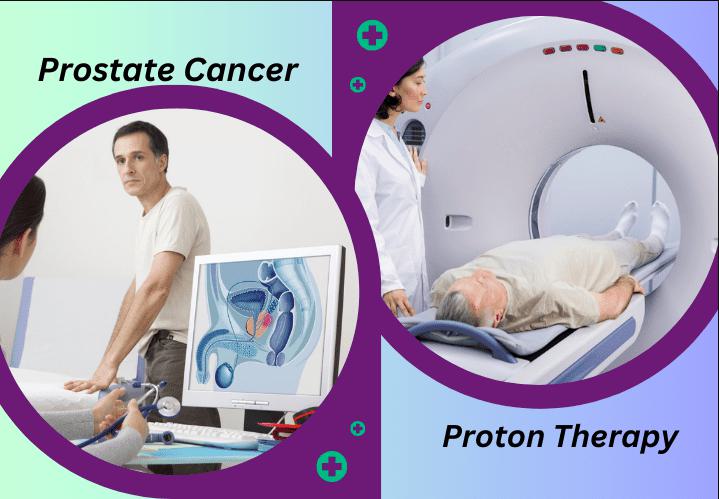
Proton therapy for prostate cancer is a type of radiation therapy that uses protons instead of traditional X-rays. Protons are positively charged particles that can be controlled to deliver radiation directly to the tumor with great precision. Unlike conventional radiation, which passes through the body, proton beams stop at the tumor site, minimizing exposure to nearby organs such as the bladder and rectum. This precision makes proton therapy an appealing choice for prostate cancer treatment.

Types

There are two main types of proton therapy delivery systems:

  • Passive Scattering Proton Therapy (PSPT): A more traditional method that spreads the proton beam over the tumor area.
  • Pencil Beam Scanning (PBS): Also known as intensity-modulated proton therapy (IMPT), this advanced technique delivers protons in a fine beam, “painting” the tumor layer by layer for greater accuracy.

PBS is increasingly preferred because it allows highly customized treatment plans tailored to the patient’s anatomy and tumor location.

Causes and Risk Factors

While the exact cause of prostate cancer remains unknown, several factors increase the risk:

  • Age: Risk rises significantly after age 50.
  • Family history: Having close relatives with prostate cancer increases likelihood.
  • Genetics: Certain inherited mutations, such as BRCA1 and BRCA2, play a role.
  • Lifestyle factors: High-fat diets, obesity, and low physical activity may contribute.
  • Ethnicity: African American men have a higher risk and often more aggressive disease.

Symptoms and Early Warning Signs

Prostate cancer often develops silently, but some signs may include:

  • Frequent urination, especially at night
  • Difficulty starting or stopping urination
  • Weak urine stream
  • Blood in urine or semen
  • Erectile dysfunction
  • Pelvic discomfort or pain

These symptoms can also result from non-cancerous conditions like an enlarged prostate, so professional evaluation is essential.

Diagnosis

Diagnosis of prostate cancer involves a combination of tests:

  • Prostate-Specific Antigen (PSA) blood test
  • Digital Rectal Exam (DRE)
  • MRI scans for detailed imaging
  • Biopsy to confirm cancer presence and grade

Once diagnosed, staging tests help determine if the cancer has spread, which guides the treatment approach.

Treatment Options

Treatment for prostate cancer varies depending on stage, age, and overall health:

  • Active surveillance for slow-growing cancers
  • Surgery (prostatectomy) to remove the prostate
  • Radiation therapy, including external beam, brachytherapy, and proton therapy for prostate cancer
  • Hormone therapy to reduce testosterone levels
  • Chemotherapy or immunotherapy for advanced cases

Proton therapy stands out for its ability to deliver high radiation doses directly to the tumor while sparing healthy tissues, often resulting in fewer long-term side effects.

Prevention and Lifestyle Recommendations

Although prostate cancer cannot always be prevented, lifestyle adjustments can lower risk:

  • Maintain a balanced diet rich in fruits, vegetables, and whole grains
  • Exercise regularly to support immune health
  • Maintain a healthy weight
  • Avoid smoking and excessive alcohol consumption
  • Discuss regular screenings with your doctor, especially if at higher risk

Prognosis and Survival Rates

Prognosis for prostate cancer is generally positive, especially when detected early. The 5-year survival rate for localized and regional prostate cancer is nearly 100%. Proton therapy may improve outcomes for certain patients by reducing treatment-related complications, helping maintain a better quality of life during and after therapy.

Latest Research and Innovations

Research on proton therapy for prostate cancer is ongoing, with studies focusing on:

  • Long-term survival outcomes compared to traditional radiation
  • Improved imaging and planning techniques for more precise targeting
  • Reducing treatment costs and expanding access
  • Combining proton therapy with immunotherapy or hormone therapy for advanced cases

Emerging innovations are making proton therapy more efficient and widely available.

Coping and Support for Patients

A prostate cancer diagnosis can be overwhelming, but emotional and practical support makes a difference. Patients are encouraged to:

  • Join prostate cancer support groups
  • Seek counseling or therapy for emotional well-being
  • Stay informed and actively involved in treatment decisions
  • Engage in stress-reducing activities like meditation, yoga, or walking
  • Rely on family, friends, and healthcare teams for ongoing encouragement

Conclusion

Proton therapy for prostate cancer represents a cutting-edge treatment option that combines precision with reduced side effects. While not every patient may need or qualify for this therapy, it has become an important choice in modern prostate cancer care. By staying informed about treatment options, prevention strategies, and support resources, patients can face the journey with greater confidence and hope.

FAQ

1. What is proton therapy for prostate cancer?
It is a targeted radiation treatment using proton beams that stop at the tumor site, minimizing damage to healthy tissues.

2. Is proton therapy more effective than traditional radiation?
Both can be effective, but proton therapy often results in fewer side effects due to its precision.

3. Who is eligible for proton therapy?
Eligibility depends on cancer stage, tumor location, and overall health. A radiation oncologist can provide guidance.

4. Are there side effects of proton therapy?
Yes, but they are generally fewer than with traditional radiation. Possible effects include fatigue, urinary issues, and bowel discomfort.

5. Is proton therapy widely available?
Access is limited compared to conventional radiation, as it requires specialized equipment and facilities.

6. Does insurance cover proton therapy for prostate cancer?
Coverage varies depending on the insurance provider and country. Patients should confirm with their insurance company.