

All posts by Husen

Difference Between Ovarian Cyst and Ovarian Cancer: Causes and Risk Factors

Understanding the difference between ovarian cyst and ovarian cancer is crucial for women’s health. Both conditions affect the ovaries and may share some similar symptoms, such as bloating or pelvic pain. However, while ovarian cysts are usually benign and common in women of reproductive age, ovarian cancer is a serious and potentially life-threatening disease that requires immediate medical attention.

Many women may experience anxiety when discovering an ovarian mass during a medical examination. Knowing how to distinguish between these two conditions can help ease concerns, promote early detection, and guide the right course of treatment. This article explains the difference between ovarian cyst and ovarian cancer in detail, from causes and symptoms to diagnosis, treatment, and prevention strategies.

Definition and Overview

An ovarian cyst is a fluid-filled sac that develops on or within an ovary. Most ovarian cysts are non-cancerous (benign) and often form as part of the normal menstrual cycle. They typically resolve on their own without treatment. In contrast, ovarian cancer refers to the abnormal growth of malignant cells in the ovaries. These cancerous cells can invade nearby tissues and spread to other parts of the body if not detected early.

While both conditions involve the ovaries, their nature, progression, and management differ significantly. Recognizing the difference between ovarian cyst and ovarian cancer is essential for timely medical evaluation and intervention.

Types

Types of Ovarian Cysts:

  • Functional cysts (the most common type): Include follicular cysts and corpus luteum cysts.
  • Dermoid cysts: Contain tissues like hair, skin, or teeth.
  • Endometriomas: Form due to endometriosis.
  • Cystadenomas: Develop on the ovary’s surface and may contain watery or mucous material.

Types of Ovarian Cancer:

  • Epithelial tumors: Start from the surface of the ovary and are the most common type.
  • Germ cell tumors: Begin in the egg-producing cells of the ovary.
  • Stromal tumors: Develop from the connective tissue cells that hold the ovary together.

Causes and Risk Factors

Ovarian cysts often develop due to hormonal fluctuations, pregnancy, endometriosis, or severe pelvic infections. Risk factors include irregular menstrual cycles, fertility treatments, or a family history of ovarian cysts.

Ovarian cancer, on the other hand, has more complex causes. Genetic mutations such as BRCA1 and BRCA2 increase the risk, as do age (especially after menopause), family history of breast or ovarian cancer, hormone replacement therapy, obesity, and reproductive history (having few or no full-term pregnancies).

Symptoms and Early Warning Signs

Common symptoms of ovarian cysts include:

  • Pelvic pain or pressure
  • Bloating or swelling
  • Pain during intercourse
  • Irregular menstrual periods

Early signs of ovarian cancer may mimic cyst symptoms but tend to be more persistent and severe:

  • Ongoing bloating and abdominal discomfort
  • Pelvic pain that doesn’t go away
  • Changes in appetite or feeling full quickly
  • Unexplained weight loss or fatigue
  • Frequent urination

Because these symptoms are often subtle, distinguishing between ovarian cyst and ovarian cancer based on symptoms alone can be challenging—medical evaluation is necessary.

Diagnosis

Doctors typically use a combination of imaging tests and laboratory evaluations to differentiate between ovarian cyst and ovarian cancer.

  • Ultrasound (transvaginal or pelvic): Determines the size, shape, and composition of the ovarian mass.
  • Blood tests: CA-125 levels may be elevated in ovarian cancer but can also rise due to benign conditions.
  • MRI or CT scans: Provide detailed images of the ovaries and surrounding tissues.
  • Biopsy or surgery: Required for definitive diagnosis in suspected ovarian cancer cases.

Treatment Options

Ovarian cyst treatment usually depends on the cyst type, size, and symptoms:

  • Observation and monitoring for small, functional cysts
  • Hormonal birth control to prevent new cysts from forming
  • Surgical removal if the cyst is large, painful, or suspected to be cancerous

Ovarian cancer treatment often includes:

  • Surgery to remove the ovaries, fallopian tubes, uterus, and affected tissues
  • Chemotherapy to target remaining cancer cells
  • Targeted therapy or immunotherapy for specific cancer types or stages

Prevention and Lifestyle Recommendations

While ovarian cysts cannot always be prevented, regular pelvic exams and maintaining hormonal balance may help detect them early. For ovarian cancer, prevention focuses on risk reduction, such as:

  • Genetic counseling and testing for high-risk women
  • Oral contraceptive use (which may lower risk)
  • Maintaining a healthy weight and diet
  • Avoiding unnecessary hormone therapy

Prognosis and Survival Rates

Most ovarian cysts resolve without treatment and rarely cause long-term issues. The prognosis for ovarian cancer depends on the stage at diagnosis. When detected early (Stage I), the five-year survival rate can be over 90%. However, advanced stages have lower survival rates, emphasizing the importance of early detection and routine screening in high-risk individuals.

Latest Research and Innovations

Recent research has focused on improving early detection methods for ovarian cancer, such as liquid biopsies and genetic testing. Advances in targeted therapy and immunotherapy are offering new hope for patients with advanced or recurrent disease. Studies are also exploring biomarkers to better differentiate benign ovarian cysts from malignant tumors.

Coping and Support for Patients

Receiving a diagnosis of an ovarian mass can be emotionally challenging. Support groups, counseling, and patient education can help individuals cope with uncertainty. For ovarian cancer patients, connecting with survivorship communities and professional guidance can provide emotional stability and improve quality of life during treatment.

Conclusion

The main difference between ovarian cyst and ovarian cancer lies in their nature—cysts are typically benign and temporary, while cancer involves malignant cell growth that requires urgent treatment. Recognizing symptoms, seeking timely medical advice, and understanding risk factors are key to maintaining reproductive health. Awareness and regular check-ups remain the best defense against ovarian complications.

FAQ

1. Can an ovarian cyst turn into ovarian cancer?
In most cases, ovarian cysts do not become cancerous. However, postmenopausal women with persistent or complex cysts should undergo evaluation to rule out malignancy.

2. How can doctors tell the difference between ovarian cyst and ovarian cancer?
Through imaging tests (like ultrasound), blood tests (CA-125), and sometimes surgical biopsy to confirm the diagnosis.

3. Do ovarian cysts go away on their own?
Yes, many functional cysts disappear within a few menstrual cycles without treatment.

4. What age group is most at risk for ovarian cancer?
Ovarian cancer is most common in women over 50, especially after menopause.

5. When should I see a doctor about an ovarian cyst?
If you experience persistent pelvic pain, bloating, irregular periods, or a sudden increase in abdominal size, consult your doctor immediately for evaluation.
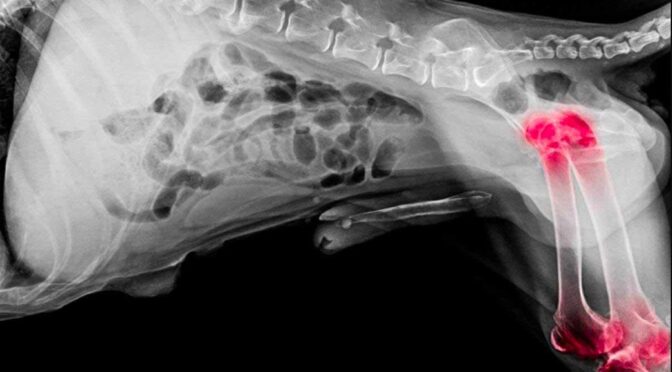
How Is Bone Cancer Diagnosed in Dogs: Causes and Risk Factors

Bone cancer in dogs is one of the most serious conditions that can affect our canine companions. It often progresses rapidly and causes significant pain, making early detection and accurate diagnosis essential for the best possible outcome. As a responsible pet owner, understanding how bone cancer is diagnosed in dogs can make a crucial difference in recognizing warning signs and seeking timely veterinary care.

Bone cancer, also known as osteosarcoma, primarily affects large and giant dog breeds but can occur in any breed or size. Since its symptoms often mimic less severe conditions like arthritis or injury, it’s important to know how veterinarians determine whether a dog’s bone pain is something more serious. This article provides a comprehensive guide to the diagnosis, treatment, and management of bone cancer in dogs, helping you make informed decisions for your pet’s health.

Definition and Overview

Bone cancer in dogs refers to a malignant tumor that originates in the bones. The most common type is osteosarcoma, accounting for nearly 85% of all canine bone tumors. This cancer tends to be aggressive, spreading rapidly to other parts of the body, especially the lungs and other bones.

Osteosarcoma typically affects the long bones of the legs—such as the humerus, radius, femur, and tibia—but can also occur in the jaw, ribs, or spine. Understanding how bone cancer is diagnosed in dogs is crucial because early intervention can significantly improve a dog’s comfort and survival time.

Types

The main types of bone cancer in dogs include:

  1. Osteosarcoma (OSA): The most common and aggressive form, affecting both young and older dogs.
  2. Chondrosarcoma: Originates in cartilage and tends to grow more slowly.
  3. Fibrosarcoma: Develops from fibrous tissue within the bone.
  4. Hemangiosarcoma: Arises from blood vessel cells and can involve bones.
  5. Multilobular Osteochondrosarcoma (MLO): Typically affects the skull and has a mixed bone-cartilage structure.

Causes and Risk Factors

While the exact cause of bone cancer in dogs remains unknown, several risk factors increase susceptibility:

  • Breed and size: Large breeds such as Great Danes, Rottweilers, Greyhounds, and Golden Retrievers are more prone.
  • Age: Most cases occur in middle-aged to older dogs.
  • Previous fractures or bone injuries: Old bone trauma or surgical implants may increase risk.
  • Genetics: Certain hereditary factors may predispose dogs to osteosarcoma.
  • Gender: Males have a slightly higher incidence than females.

Symptoms and Early Warning Signs

Recognizing the early signs is key to timely diagnosis. Common symptoms of bone cancer in dogs include:

  • Persistent limping or lameness
  • Swelling near joints or bones
  • Pain when touching the affected area
  • Reluctance to walk or exercise
  • Loss of appetite and weight loss
  • Lethargy or fatigue
  • In advanced cases, visible lumps or pathological fractures may occur

If your dog shows any of these signs, consult a veterinarian immediately.

Diagnosis

Understanding how bone cancer is diagnosed in dogs involves multiple diagnostic procedures to confirm the disease and rule out other causes. The typical diagnostic steps include:

  1. Physical Examination: The vet checks for swelling, pain, and mobility issues.
  2. X-Rays (Radiographs): Bone cancer often shows a distinct pattern of bone destruction and irregular growth.
  3. CT Scan or MRI: Used to assess tumor size, location, and possible spread to other tissues.
  4. Bone Biopsy: A sample of bone tissue is taken for microscopic examination to confirm cancer type.
  5. Blood Tests: These help evaluate overall health and detect abnormalities linked to cancer.
  6. Chest X-Rays: Performed to check for metastasis in the lungs.

Early and accurate diagnosis ensures that treatment can begin before the cancer spreads further.

Treatment Options

Treatment for bone cancer in dogs typically involves a combination of therapies aimed at controlling pain, slowing cancer growth, and improving quality of life. Common treatments include:

  • Amputation: Removes the affected limb, eliminating the source of pain and disease in most cases.
  • Chemotherapy: Often used after surgery to target remaining cancer cells and prevent spread.
  • Radiation Therapy: Helps relieve pain and control tumor growth.
  • Limb-Sparing Surgery: Preserves the limb by removing only the tumor and affected bone segment.
  • Palliative Care: Focuses on pain management and maintaining comfort for advanced cases.

Prevention and Lifestyle Recommendations

There is no guaranteed way to prevent bone cancer in dogs, but you can reduce risks and promote overall health by:

  • Maintaining a balanced diet and healthy weight
  • Providing regular exercise without overstraining bones
  • Scheduling routine veterinary check-ups
  • Monitoring any previous injuries for unusual changes
  • Avoiding unnecessary exposure to environmental toxins

Prognosis and Survival Rates

The prognosis for dogs with bone cancer depends on factors such as tumor location, metastasis, and treatment type. With amputation and chemotherapy, the average survival time is 10–12 months, and about 20% of dogs may live two years or longer. Without treatment, most dogs survive only a few months due to rapid disease progression.

Latest Research and Innovations

Recent advances in veterinary oncology have improved outcomes for dogs with bone cancer. Research into targeted therapies, immunotherapy, and novel pain management drugs offers hope for extending survival and improving quality of life. Clinical trials are ongoing to develop safer, more effective treatments with fewer side effects.

Coping and Support for Patients

Caring for a dog with bone cancer is emotionally challenging. Support from veterinary professionals, pet support groups, and online communities can help owners manage both practical and emotional aspects of the journey. Prioritize your dog’s comfort, provide pain relief, and focus on maintaining daily joy and bonding moments.

Conclusion

Understanding how bone cancer is diagnosed in dogs empowers pet owners to take early and decisive action. Through timely diagnosis, modern treatment options, and compassionate care, dogs with bone cancer can still experience meaningful, comfortable lives. Always work closely with your veterinarian to determine the best plan tailored to your dog’s condition and needs.

FAQ

1. What is the first sign of bone cancer in dogs?
The first noticeable sign is usually persistent lameness or limping that doesn’t improve with rest or medication.

2. Can bone cancer in dogs be cured?
While a complete cure is rare, early diagnosis and treatment can extend survival and improve quality of life.

3. How do vets confirm bone cancer?
Veterinarians confirm it through imaging tests such as X-rays or CT scans, followed by a bone biopsy for definitive diagnosis.

4. Does bone cancer spread quickly in dogs?
Yes, osteosarcoma tends to spread rapidly, often reaching the lungs or other bones early in the disease.

5. What breeds are most at risk of bone cancer?
Large and giant breeds like Great Danes, Rottweilers, and Irish Wolfhounds are more commonly affected.

6. How can I support my dog with bone cancer?
Follow your vet’s treatment plan, manage pain effectively, ensure comfort, and provide emotional support through love and companionship.