
All posts by Husen

How Long Can You Have Thyroid Cancer Without Knowing?

Thyroid cancer is one of the most commonly diagnosed endocrine cancers worldwide. Despite being relatively rare compared to other cancers, it often develops slowly and silently, making early detection challenging. Many individuals live with thyroid cancer for months or even years without realizing it, as the disease frequently shows few or no symptoms in its early stages.

Understanding how long you can have thyroid cancer without knowing is essential for early diagnosis and effective treatment. Because the thyroid gland plays a vital role in regulating metabolism and hormone production, unnoticed cancer growth can eventually disrupt these processes. This article explores how thyroid cancer develops, its risk factors, symptoms, diagnosis, and what you can do to protect yourself.

Definition and Overview

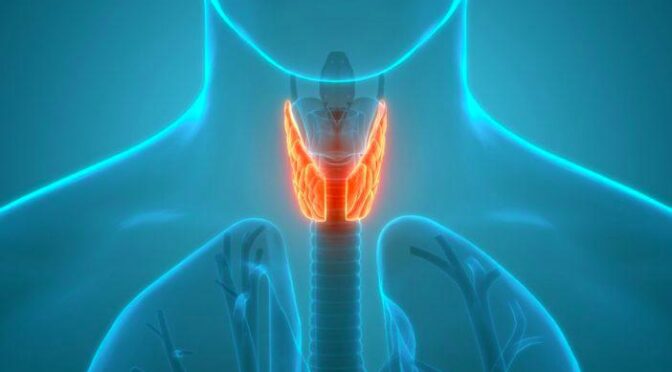
Thyroid cancer begins when abnormal cells in the thyroid gland grow uncontrollably. The thyroid, located at the base of the neck, produces hormones that regulate metabolism, heart rate, and body temperature. While many thyroid nodules are benign, some can become cancerous and spread if not treated.

One reason thyroid cancer can go unnoticed is that it grows slowly and may not cause pain or visible changes at first. In some cases, it’s only detected during routine medical imaging or blood tests for unrelated conditions.

Types of Thyroid Cancer

There are several types of thyroid cancer, each with different characteristics and growth patterns:

  1. Papillary thyroid cancer – The most common type, accounting for about 80% of cases. It grows slowly and often remains localized for years.
  2. Follicular thyroid cancer – Tends to spread to nearby tissues or blood vessels but also progresses gradually.
  3. Medullary thyroid cancer – Less common and may be associated with genetic syndromes. It can develop and spread more quickly.
  4. Anaplastic thyroid cancer – A rare but aggressive type that grows rapidly and is harder to treat.

Causes and Risk Factors

The exact cause of thyroid cancer is not always clear, but several factors may increase your risk:

  • Genetic mutations or family history of thyroid cancer
  • Exposure to radiation, especially during childhood
  • Female gender, as women are more likely to develop thyroid cancer
  • Age, particularly between 30 and 60 years old
  • Certain inherited conditions, such as Multiple Endocrine Neoplasia (MEN) syndromes

Symptoms and Early Warning Signs

In many cases, thyroid cancer doesn’t cause noticeable symptoms early on. This is why understanding how long you can have thyroid cancer without knowing is crucial. Common signs may only appear as the disease progresses, including:

  • A lump or swelling in the neck
  • Hoarseness or changes in voice
  • Difficulty swallowing or breathing
  • Persistent cough not related to a cold
  • Pain in the neck or throat

Because these symptoms are often mild or mistaken for other conditions, people can unknowingly live with thyroid cancer for years.

Diagnosis

If thyroid cancer is suspected, doctors use several diagnostic methods, including:

  • Physical examination to check for lumps or swelling
  • Ultrasound imaging to evaluate nodules in the thyroid
  • Fine-needle aspiration biopsy to determine if a lump is cancerous
  • Blood tests, such as measuring thyroid-stimulating hormone (TSH) levels
  • CT or MRI scans if the cancer may have spread

Early detection greatly improves treatment success and long-term survival.

Treatment Options

Treatment depends on the type and stage of thyroid cancer. Common options include:

  • Surgery – The most common treatment, removing part or all of the thyroid gland.
  • Radioactive iodine therapy – Destroys any remaining cancer cells after surgery.
  • External radiation therapy – Used in advanced or recurrent cases.
  • Targeted drug therapy – For cancers that don’t respond to standard treatments.
  • Hormone therapy – Helps maintain normal metabolism after thyroid removal.

Prevention and Lifestyle Recommendations

While it’s not always possible to prevent thyroid cancer, certain habits can help lower your risk and promote thyroid health:

  • Limit unnecessary radiation exposure, especially in children.
  • Eat a balanced diet rich in iodine, selenium, and antioxidants.
  • Get regular check-ups if you have a family history of thyroid disease.
  • Avoid smoking and maintain a healthy weight.
  • Monitor for any changes in your neck or voice.

Prognosis and Survival Rates

Thyroid cancer has one of the highest survival rates among all cancers. The five-year survival rate for most types exceeds 95%, especially when detected early. However, aggressive forms like anaplastic thyroid cancer have lower survival rates.

Because the disease often progresses slowly, individuals may live for years before symptoms appear. This emphasizes the importance of regular screenings, especially for high-risk individuals.

Latest Research and Innovations

Recent advances in genetic testing, molecular diagnostics, and targeted therapies have improved both detection and treatment outcomes. Researchers are exploring personalized medicine approaches that identify specific mutations in thyroid tumors, allowing for more precise and less invasive treatments. Artificial intelligence is also being used to analyze ultrasound images for earlier diagnosis.

Coping and Support for Patients

Receiving a thyroid cancer diagnosis can be overwhelming, but support is available. Patients are encouraged to:

  • Join support groups or online communities
  • Seek help from mental health professionals for anxiety or depression
  • Stay informed about treatment options and follow-up care
  • Maintain a positive lifestyle with balanced nutrition and regular exercise

Emotional and social support plays a major role in recovery and overall well-being.

Conclusion

Thyroid cancer often develops quietly, allowing people to live with it for years without realizing. Knowing how long you can have thyroid cancer without knowing helps emphasize the importance of early detection through regular check-ups and awareness of subtle symptoms. With modern treatments and ongoing research, most thyroid cancers are highly treatable, and patients can live long, healthy lives.

FAQ

1. How long can you have thyroid cancer without knowing?
Many people can have thyroid cancer for several years without symptoms, especially with slow-growing types like papillary thyroid cancer.

2. Can thyroid cancer be detected through a blood test?
Not always. While blood tests can detect thyroid hormone imbalances, imaging and biopsy are required for a definitive diagnosis.

3. Is thyroid cancer curable?
Yes, most thyroid cancers are highly curable, especially when diagnosed early and treated appropriately.

4. What are the first warning signs of thyroid cancer?
A painless lump in the neck, hoarseness, or difficulty swallowing are common early signs.

5. Who is most at risk for thyroid cancer?
Women aged 30–60, individuals exposed to radiation, and those with a family history of thyroid disease are at higher risk.

6. How can I reduce my risk of thyroid cancer?
Maintain a healthy diet, avoid radiation exposure, and have regular thyroid check-ups, especially if you’re at risk.

Lung Cancer and Back Pain: Causes and Risk Factors

Lung cancer is one of the most common and serious forms of cancer worldwide, known for its silent progression and often late detection. One of the less obvious but significant symptoms associated with this condition is back pain. Many patients experience persistent discomfort in the upper or lower back, which can sometimes be mistaken for muscle strain or arthritis. However, in certain cases, this pain may signal something more serious.

Understanding the link between lung cancer and back pain is essential for early detection and better treatment outcomes. This article explores the relationship between the two, including causes, symptoms, diagnostic methods, treatment options, prevention strategies, and the latest advancements in research. By recognizing how back pain can relate to lung cancer, individuals and healthcare providers can take timely action to improve prognosis.

Definition and Overview

Lung cancer occurs when abnormal cells in the lungs grow uncontrollably, forming tumors that interfere with normal lung function. These tumors can spread (metastasize) to nearby tissues or distant organs, including the spine, ribs, or nerves, leading to back pain. The connection between lung cancer and back pain often depends on the tumor’s location, size, and stage.

Back pain linked to lung cancer may develop due to direct invasion of the cancer into the spine or surrounding nerves. In other cases, the tumor may produce substances that cause inflammation or bone damage, resulting in chronic pain.

Types of Lung Cancer

Lung cancer is primarily divided into two main categories:

  1. Non–Small Cell Lung Cancer (NSCLC): The most common type, accounting for about 85% of all lung cancers. It progresses more slowly than other forms.
  2. Small Cell Lung Cancer (SCLC): A faster-growing type that often spreads to other organs early, including the bones and spine, making back pain a more likely symptom.

Each type can cause pain differently depending on where the tumor grows and how it affects surrounding tissues.

Causes and Risk Factors

The main cause of lung cancer is prolonged exposure to carcinogens that damage lung cells. Common risk factors include:

  • Smoking: The leading cause, responsible for nearly 85% of lung cancer cases.
  • Secondhand smoke: Exposure to others’ smoke increases risk.
  • Radon gas: A natural radioactive gas found in some homes.
  • Asbestos and other toxic substances: Common in certain workplaces.
  • Genetic predisposition: Family history of lung cancer.
  • Air pollution: Long-term exposure can also contribute.

When lung cancer develops, tumors near the spine or chest wall may press on nerves, causing back pain as one of the early warning signs.

Symptoms and Early Warning Signs

Lung cancer often remains undetected in its early stages because symptoms are mild or nonspecific. However, when back pain appears, it may indicate that the disease has progressed or spread. Common symptoms include:

  • Persistent or worsening back pain that does not improve with rest
  • Pain that radiates to the shoulders, arms, or legs
  • Chest pain or tightness
  • Chronic cough or coughing up blood
  • Shortness of breath
  • Unexplained weight loss and fatigue
  • Hoarseness or wheezing

If back pain worsens at night, when lying down, or when coughing, it may be a sign that the cancer has spread to the bones or spinal nerves.

Diagnosis

Diagnosing lung cancer and back pain involves several steps:

  1. Medical history and physical examination to assess pain characteristics and risk factors.
  2. Imaging tests such as chest X-rays, CT scans, or MRIs to detect tumors or bone metastasis.
  3. Biopsy to confirm cancerous cells in the lung or affected bone.
  4. Blood tests to evaluate overall health and identify tumor markers.
  5. Bone scans if bone involvement is suspected.

Early diagnosis is crucial because detecting lung cancer before it spreads improves treatment success significantly.

Treatment Options

Treatment depends on the cancer type, stage, and overall health of the patient. Common approaches include:

  • Surgery: To remove localized tumors.
  • Radiation therapy: Often used to shrink tumors causing back pain or to relieve bone metastasis.
  • Chemotherapy: Uses drugs to kill or slow the growth of cancer cells.
  • Targeted therapy: Focuses on specific genetic mutations in cancer cells.
  • Immunotherapy: Helps the body’s immune system fight cancer.
  • Pain management: Includes medications, nerve blocks, or physical therapy to alleviate back pain.

A multidisciplinary team of oncologists, radiologists, and pain specialists works together to create a personalized treatment plan.

Prevention and Lifestyle Recommendations

While lung cancer cannot always be prevented, several steps can reduce the risk:

  • Quit smoking and avoid exposure to tobacco smoke.
  • Test your home for radon and fix leaks if detected.
  • Use protective equipment when working with asbestos or chemicals.
  • Maintain a healthy diet rich in fruits and vegetables.
  • Exercise regularly to strengthen the immune system and improve lung health.
  • Attend regular screenings if you have a high risk due to smoking history or occupational exposure.

Lifestyle changes also play a role in reducing inflammation and improving quality of life for those already diagnosed.

Prognosis and Survival Rates

The prognosis for lung cancer with back pain depends on the cancer stage and how far it has spread. Generally, early-stage lung cancer has a five-year survival rate of around 60%, while late-stage cases with bone metastasis have lower survival rates. However, advancements in targeted therapy and immunotherapy are improving long-term outcomes for many patients.

Pain management and supportive care also enhance comfort and overall well-being during treatment.

Latest Research and Innovations

Recent research focuses on genetic profiling and precision medicine to tailor treatments to each patient’s cancer type. Immunotherapy breakthroughs, such as checkpoint inhibitors, have shown promise in extending survival. Scientists are also developing advanced imaging technologies to detect lung cancer and back pain connections earlier, leading to quicker interventions.

New pain management techniques, including nerve-targeted therapies and minimally invasive radiation treatments, are helping reduce back pain caused by tumor spread.

Coping and Support for Patients

Living with lung cancer and back pain can be emotionally and physically challenging. Support groups, counseling, and pain management programs can help patients cope more effectively. Emotional support from family, friends, and healthcare professionals plays a crucial role in maintaining hope and motivation throughout treatment.

Mindfulness, gentle exercise, and nutritional guidance can also support recovery and improve mental health during the cancer journey.

Conclusion

Understanding the relationship between lung cancer and back pain is vital for early detection and effective treatment. Persistent back pain—especially when accompanied by respiratory symptoms—should not be ignored. Consulting a healthcare provider for thorough evaluation can make a significant difference in outcomes.

Early diagnosis, advanced treatments, and emotional support all contribute to better survival and quality of life for patients facing this complex disease.

FAQ

1. Can back pain be the first sign of lung cancer?
Yes, in some cases, back pain may be one of the earliest symptoms, particularly if the tumor is located near the spine or chest wall.

2. What does lung cancer back pain feel like?
It can feel like a dull, persistent ache or sharp pain that worsens with movement, coughing, or lying down.

3. How is lung cancer-related back pain treated?
Treatment may include radiation therapy, medications, or physical therapy to relieve pain, along with addressing the underlying cancer.

4. Is lung cancer always associated with back pain?
No, not all lung cancer patients experience back pain, but it becomes more common in advanced stages or when the cancer spreads to the bones.

5. When should I see a doctor for back pain?
Seek medical attention if your back pain is persistent, unexplained, or accompanied by symptoms such as coughing, shortness of breath, or unexplained weight loss.