
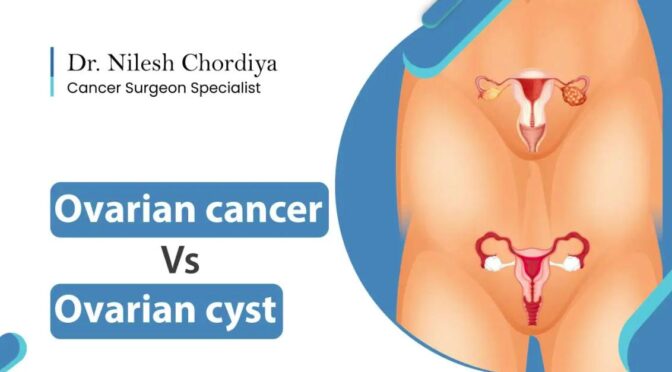
Understanding the difference between ovarian cyst and ovarian cancer is crucial for women’s health. Both conditions affect the ovaries and may share some similar symptoms, such as bloating or pelvic pain. However, while ovarian cysts are usually benign and common in women of reproductive age, ovarian cancer is a serious and potentially life-threatening disease that requires immediate medical attention.
Many women may experience anxiety when discovering an ovarian mass during a medical examination. Knowing how to distinguish between these two conditions can help ease concerns, promote early detection, and guide the right course of treatment. This article explains the difference between ovarian cyst and ovarian cancer in detail, from causes and symptoms to diagnosis, treatment, and prevention strategies.
Definition and Overview
An ovarian cyst is a fluid-filled sac that develops on or within an ovary. Most ovarian cysts are non-cancerous (benign) and often form as part of the normal menstrual cycle. They typically resolve on their own without treatment. In contrast, ovarian cancer refers to the abnormal growth of malignant cells in the ovaries. These cancerous cells can invade nearby tissues and spread to other parts of the body if not detected early.
While both conditions involve the ovaries, their nature, progression, and management differ significantly. Recognizing the difference between ovarian cyst and ovarian cancer is essential for timely medical evaluation and intervention.
Types
Types of Ovarian Cysts:
- Functional cysts (the most common type): Include follicular cysts and corpus luteum cysts.
- Dermoid cysts: Contain tissues like hair, skin, or teeth.
- Endometriomas: Form due to endometriosis.
- Cystadenomas: Develop on the ovary’s surface and may contain watery or mucous material.
Types of Ovarian Cancer:
- Epithelial tumors: Start from the surface of the ovary and are the most common type.
- Germ cell tumors: Begin in the egg-producing cells of the ovary.
- Stromal tumors: Develop from the connective tissue cells that hold the ovary together.
Causes and Risk Factors
Ovarian cysts often develop due to hormonal fluctuations, pregnancy, endometriosis, or severe pelvic infections. Risk factors include irregular menstrual cycles, fertility treatments, or a family history of ovarian cysts.
Ovarian cancer, on the other hand, has more complex causes. Genetic mutations such as BRCA1 and BRCA2 increase the risk, as do age (especially after menopause), family history of breast or ovarian cancer, hormone replacement therapy, obesity, and reproductive history (having few or no full-term pregnancies).
Symptoms and Early Warning Signs
Common symptoms of ovarian cysts include:
- Pelvic pain or pressure
- Bloating or swelling
- Pain during intercourse
- Irregular menstrual periods
Early signs of ovarian cancer may mimic cyst symptoms but tend to be more persistent and severe:
- Ongoing bloating and abdominal discomfort
- Pelvic pain that doesn’t go away
- Changes in appetite or feeling full quickly
- Unexplained weight loss or fatigue
- Frequent urination
Because these symptoms are often subtle, distinguishing between ovarian cyst and ovarian cancer based on symptoms alone can be challenging—medical evaluation is necessary.
Diagnosis
Doctors typically use a combination of imaging tests and laboratory evaluations to differentiate between ovarian cyst and ovarian cancer.
- Ultrasound (transvaginal or pelvic): Determines the size, shape, and composition of the ovarian mass.
- Blood tests: CA-125 levels may be elevated in ovarian cancer but can also rise due to benign conditions.
- MRI or CT scans: Provide detailed images of the ovaries and surrounding tissues.
- Biopsy or surgery: Required for definitive diagnosis in suspected ovarian cancer cases.
Treatment Options
Ovarian cyst treatment usually depends on the cyst type, size, and symptoms:
- Observation and monitoring for small, functional cysts
- Hormonal birth control to prevent new cysts from forming
- Surgical removal if the cyst is large, painful, or suspected to be cancerous
Ovarian cancer treatment often includes:
- Surgery to remove the ovaries, fallopian tubes, uterus, and affected tissues
- Chemotherapy to target remaining cancer cells
- Targeted therapy or immunotherapy for specific cancer types or stages
Prevention and Lifestyle Recommendations
While ovarian cysts cannot always be prevented, regular pelvic exams and maintaining hormonal balance may help detect them early. For ovarian cancer, prevention focuses on risk reduction, such as:
- Genetic counseling and testing for high-risk women
- Oral contraceptive use (which may lower risk)
- Maintaining a healthy weight and diet
- Avoiding unnecessary hormone therapy
Prognosis and Survival Rates
Most ovarian cysts resolve without treatment and rarely cause long-term issues. The prognosis for ovarian cancer depends on the stage at diagnosis. When detected early (Stage I), the five-year survival rate can be over 90%. However, advanced stages have lower survival rates, emphasizing the importance of early detection and routine screening in high-risk individuals.
Latest Research and Innovations
Recent research has focused on improving early detection methods for ovarian cancer, such as liquid biopsies and genetic testing. Advances in targeted therapy and immunotherapy are offering new hope for patients with advanced or recurrent disease. Studies are also exploring biomarkers to better differentiate benign ovarian cysts from malignant tumors.
Coping and Support for Patients
Receiving a diagnosis of an ovarian mass can be emotionally challenging. Support groups, counseling, and patient education can help individuals cope with uncertainty. For ovarian cancer patients, connecting with survivorship communities and professional guidance can provide emotional stability and improve quality of life during treatment.
Conclusion
The main difference between ovarian cyst and ovarian cancer lies in their nature—cysts are typically benign and temporary, while cancer involves malignant cell growth that requires urgent treatment. Recognizing symptoms, seeking timely medical advice, and understanding risk factors are key to maintaining reproductive health. Awareness and regular check-ups remain the best defense against ovarian complications.
FAQ
1. Can an ovarian cyst turn into ovarian cancer?
In most cases, ovarian cysts do not become cancerous. However, postmenopausal women with persistent or complex cysts should undergo evaluation to rule out malignancy.
2. How can doctors tell the difference between ovarian cyst and ovarian cancer?
Through imaging tests (like ultrasound), blood tests (CA-125), and sometimes surgical biopsy to confirm the diagnosis.
3. Do ovarian cysts go away on their own?
Yes, many functional cysts disappear within a few menstrual cycles without treatment.
4. What age group is most at risk for ovarian cancer?
Ovarian cancer is most common in women over 50, especially after menopause.
5. When should I see a doctor about an ovarian cyst?
If you experience persistent pelvic pain, bloating, irregular periods, or a sudden increase in abdominal size, consult your doctor immediately for evaluation.