
How to Test for Pancreatic Cancer: Causes and Risk Factors

Pancreatic cancer is one of the most challenging diseases to diagnose early due to its subtle symptoms and hidden location within the body. Understanding how to test for pancreatic cancer is crucial for early detection, which can significantly improve treatment outcomes and survival rates.

This guide provides an in-depth overview of pancreatic cancer, including its types, causes, symptoms, and the latest diagnostic methods. By the end, you will have a clear understanding of the steps doctors take to test for pancreatic cancer, treatment options available, and how patients and families can find support throughout the journey.

Definition and Overview

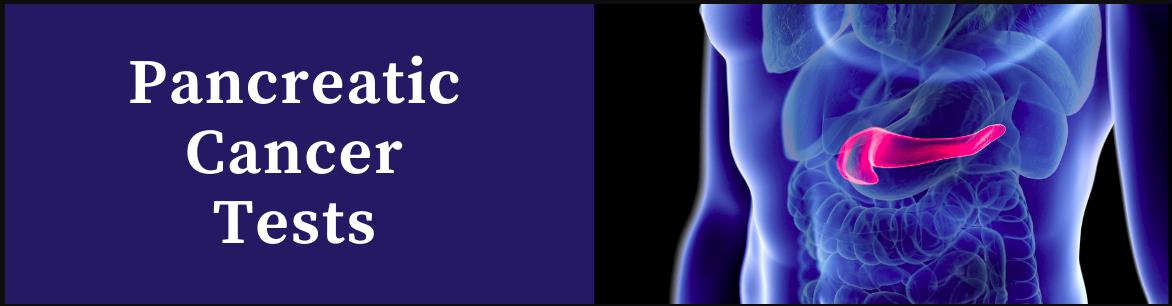
Pancreatic cancer begins when abnormal cells in the pancreas grow uncontrollably, forming tumors. The pancreas, located behind the stomach, plays a vital role in digestion and blood sugar regulation. Because the pancreas is hidden deep within the body, cancer is often diagnosed in later stages, making it difficult to treat.

Understanding how pancreatic cancer develops and how it can be detected early is a key step toward better patient outcomes.

Types of Pancreatic Cancer

There are two main types of pancreatic cancer:

  • Exocrine tumors: The most common type, accounting for about 90% of cases. The most frequent subtype is pancreatic ductal adenocarcinoma.
  • Neuroendocrine tumors (NETs): Less common but tend to grow more slowly. They develop from hormone-producing cells in the pancreas.

Causes and Risk Factors

The exact cause of pancreatic cancer remains unclear, but several risk factors increase the likelihood of developing the disease:

  • Family history of pancreatic or related cancers
  • Smoking and long-term alcohol use
  • Chronic pancreatitis
  • Obesity and diabetes
  • Age over 60
  • Genetic mutations (e.g., BRCA1, BRCA2, Lynch syndrome)

Symptoms and Early Warning Signs

Pancreatic cancer often shows no symptoms in its early stages. However, some warning signs include:

  • Persistent abdominal or back pain
  • Unexplained weight loss
  • Jaundice (yellowing of the skin and eyes)
  • Loss of appetite or nausea
  • Fatigue
  • Changes in stool (oily or pale)

Recognizing these symptoms and seeking medical attention quickly is critical when learning how to test for pancreatic cancer effectively.

Diagnosis

When it comes to how to test for pancreatic cancer, doctors use a combination of imaging tests, blood tests, and biopsies:

  • Imaging tests: CT scans, MRI, and endoscopic ultrasound (EUS) help visualize the pancreas.
  • Blood tests: CA 19-9 is a tumor marker that may indicate pancreatic cancer, though it is not definitive.
  • Biopsy: A tissue sample taken via endoscopy or needle aspiration provides a clear diagnosis.
  • Genetic testing: Helps identify hereditary risk factors and guides targeted therapy.

Treatment Options

Treatment for pancreatic cancer depends on the stage, type, and overall health of the patient. Options include:

  • Surgery: Whipple procedure, distal pancreatectomy, or total pancreatectomy.
  • Radiation therapy: To shrink or destroy cancer cells.
  • Chemotherapy: Often used before or after surgery, or as a standalone treatment.
  • Targeted therapy: Focused on specific genetic mutations in cancer cells.
  • Immunotherapy: Boosts the body’s immune system to fight cancer.

Prevention and Lifestyle Recommendations

While there is no guaranteed way to prevent pancreatic cancer, lifestyle changes can reduce risk:

  • Quit smoking and limit alcohol consumption
  • Maintain a healthy weight and exercise regularly
  • Eat a balanced diet rich in fruits, vegetables, and whole grains
  • Manage chronic conditions like diabetes and pancreatitis
  • Regular screening if you have a strong family history

Prognosis and Survival Rates

The prognosis for pancreatic cancer depends on the stage at diagnosis. Unfortunately, many cases are detected late, resulting in a lower survival rate. The 5-year survival rate is around 12%, but early detection can improve outcomes significantly. Understanding how to test for pancreatic cancer early can be life-saving.

Latest Research and Innovations

Recent advancements in pancreatic cancer research include:

  • Liquid biopsies for non-invasive detection
  • Immunotherapy combinations showing promise
  • New targeted drugs for patients with genetic mutations
  • Artificial intelligence in imaging for earlier detection

These innovations offer hope for better detection methods and more effective treatments in the future.

Coping and Support for Patients

A pancreatic cancer diagnosis can be overwhelming for patients and families. Emotional support, counseling, and connecting with cancer support groups can make a significant difference. Nutritionists, palliative care specialists, and pain management experts also play key roles in improving quality of life.

Conclusion

Knowing how to test for pancreatic cancer is one of the most important steps toward improving survival rates and patient outcomes. While this disease remains challenging to detect early, advancements in diagnostics and treatment bring new hope. By staying informed about symptoms, seeking medical advice quickly, and adopting healthy lifestyle habits, individuals can take proactive steps toward prevention and early detection.

FAQ

1. How do doctors test for pancreatic cancer?
Doctors use imaging scans, blood tests, and biopsies to confirm pancreatic cancer.

2. Is there a simple blood test to detect pancreatic cancer?
The CA 19-9 blood test can indicate cancer but is not reliable enough on its own.

3. Can pancreatic cancer be detected early?
Early detection is difficult, but high-risk individuals may benefit from regular screenings using MRI or endoscopic ultrasound.

4. What is the most common test for pancreatic cancer?
CT scans and endoscopic ultrasounds are among the most common tests used.

5. Who should get tested for pancreatic cancer?
Individuals with a family history of the disease, genetic predispositions, or chronic pancreatitis should consider medical screening.

Quotes About Staying Strong Through Cancer: Causes and Risk Factors

Cancer is one of the most challenging journeys anyone can face, both physically and emotionally. For patients, families, and caregivers, finding strength in difficult times often comes from words of encouragement and hope. This is where inspirational quotes about staying strong through cancer can play a meaningful role in lifting spirits and providing motivation.

These quotes are not just simple words; they represent resilience, courage, and the will to keep fighting. Understanding cancer itself, along with strategies for coping, treatment, and support, helps patients and their loved ones navigate this difficult path with more confidence and positivity.

Definition and Overview

Cancer is a disease characterized by the uncontrolled growth of abnormal cells in the body. These cells can invade nearby tissues and spread to other parts of the body through the blood or lymphatic system. Globally, cancer remains one of the leading causes of mortality, but early detection and advances in treatment have greatly improved survival rates.

Types of Cancer

There are more than 100 types of cancer, but the most common include:

  • Breast cancer
  • Lung cancer
  • Colorectal cancer
  • Prostate cancer
  • Leukemia and lymphoma
  • Skin cancer (melanoma and non-melanoma)

Each type has its own risk factors, symptoms, and treatment approaches, making awareness and education crucial for prevention and management.

Causes and Risk Factors

Cancer develops due to a combination of genetic, environmental, and lifestyle factors. Common risk factors include:

  • Smoking and alcohol consumption
  • Prolonged exposure to radiation or carcinogens
  • Poor diet and lack of physical activity
  • Family history of cancer
  • Chronic infections (e.g., HPV, hepatitis B and C)

While not all cancers are preventable, reducing exposure to these risk factors can lower the likelihood of developing the disease.

Symptoms and Early Warning Signs

Early detection significantly increases the chances of successful treatment. Key warning signs may include:

  • Unexplained weight loss
  • Persistent fatigue
  • Lumps or swelling in certain areas
  • Changes in skin or moles
  • Difficulty swallowing or persistent cough
  • Abnormal bleeding or discharge

Recognizing these symptoms early and seeking medical advice is critical.

Diagnosis

Cancer diagnosis involves multiple tests, including blood work, imaging scans (CT, MRI, PET), and biopsies. Early diagnosis not only helps in starting treatment sooner but also improves overall outcomes.

Treatment Options

Treatment depends on the type, stage, and location of cancer. Common options include:

  • Surgery to remove tumors
  • Chemotherapy to kill or slow the growth of cancer cells
  • Radiation therapy to target cancerous areas
  • Immunotherapy to boost the body’s natural defenses
  • Targeted therapy to attack specific cancer genes or proteins

Often, treatments are combined for maximum effectiveness.

Prevention and Lifestyle Recommendations

While not all cancers can be prevented, lifestyle changes can reduce risks. Key recommendations include:

  • Maintaining a healthy diet rich in fruits and vegetables
  • Exercising regularly
  • Avoiding tobacco and limiting alcohol consumption
  • Protecting skin from excessive sun exposure
  • Getting vaccinated against cancer-related viruses (e.g., HPV, hepatitis B)
  • Regular screenings and check-ups

Prognosis and Survival Rates

Survival rates vary depending on cancer type, stage at diagnosis, and available treatments. For example, breast and prostate cancers have relatively high survival rates when detected early, while pancreatic and lung cancers are more challenging to treat. Advances in medicine continue to improve outcomes worldwide.

Latest Research and Innovations

Ongoing research in cancer treatment focuses on:

  • Personalized medicine based on genetic profiling
  • Breakthrough immunotherapies
  • Less invasive surgical techniques
  • Advanced screening technologies for early detection
  • Integrative approaches combining traditional and holistic therapies

These innovations offer new hope for patients and families alike.

Coping and Support for Patients

Beyond medical treatment, emotional and mental well-being are equally important. Patients often find comfort in support groups, counseling, and motivational resources such as quotes about staying strong through cancer. These words of encouragement remind patients that they are not alone in their fight, reinforcing resilience and positivity.

Some examples include:

  • “You never know how strong you are until being strong is your only choice.”
  • “Cancer may have started the fight, but you will finish it.”
  • “Hope is the only thing stronger than fear.”

Sharing uplifting quotes can strengthen the spirit, inspire perseverance, and bring comfort during difficult moments.

Conclusion

Cancer is a life-changing diagnosis, but it does not define one’s strength, courage, or determination. With the right medical care, lifestyle adjustments, emotional support, and inspiration from quotes about staying strong through cancer, patients can continue to live with hope and resilience. Encouragement, knowledge, and community support are vital in turning the fight against cancer into a journey of strength and survival.

FAQ

1. Why are quotes about staying strong through cancer important?
They provide emotional support, motivation, and a reminder of resilience for patients and caregivers during tough times.

2. Can inspirational quotes really help cancer patients?
Yes. While they cannot cure cancer, they boost mental health, reduce stress, and improve emotional well-being.

3. Where can I find quotes about staying strong through cancer?
You can find them in support groups, cancer foundations, books, or online platforms dedicated to cancer awareness and motivation.

4. What is the best way to support a loved one with cancer?
Offer emotional presence, practical help, encourage positivity, and share meaningful words of encouragement.

5. Do positive thoughts and motivation impact recovery?
While they do not directly cure cancer, a positive mindset can improve quality of life, treatment adherence, and overall resilience.